Tampa Bay ranks among Florida’s premier inshore fisheries, offering year-round action across 400+ square miles of grass flats, mangrove shorelines, oyster bars, bridges, and Gulf passes. This expansive estuary provides habitat for the “Big 3” (redfish, snook, spotted seatrout) plus seasonal tarpon, sheepshead, grouper, and snapper, all within easy reach of Tampa, St. Petersburg, and Bradenton.
Finding and safely reaching productive spots requires more than local knowledge. Proper navigation becomes essential when exploring shallow flats and narrow channels. Using modern navigation tools designed for shallow water helps maximize fishing time while avoiding costly groundings.
Tampa Bay Fishing Overview
Redfish: Year-round with peak fall/winter action. These copper-colored fighters frequent oyster bars, mangrove edges, and grass flats in water under three feet deep.
Snook: Prime spring through fall (May-September spawning peak). Inhabit bridges, docks, mangrove shorelines, and passes. Winter drives them into warmer backwaters.
Spotted Seatrout: Consistent year-round over grass flats. Quality fish concentrate in deeper holes during winter.
Tarpon: Migration runs May through July (peak mid-May to early July). Thousands follow beaches and stage near passes during spawning migration.
Sheepshead: Winter specialists (November-March) around bridges, docks, and oyster bars.
Grouper/Snapper: Deeper waters near passes and artificial reefs. Best summer access for nearshore boaters.
Best Times and Regulations
Early morning and late afternoon provide optimal feeding periods. Moving tides trigger activity more than slack water, plan trips around incoming or outgoing tides. Water temps above 70°F activate warm-water species like snook and tarpon.
Florida Fish & Wildlife Conservation Commission (FWC) sets size limits, bag limits, and seasonal closures. Snook and tarpon face strict regulations including catch-and-release periods. Always verify current FWC regulations before fishing.
Draft awareness becomes critical when navigating Tampa Bay’s extensive shallow flats. Understanding shallow water navigation prevents groundings and allows safe exploration of productive skinny water zones.
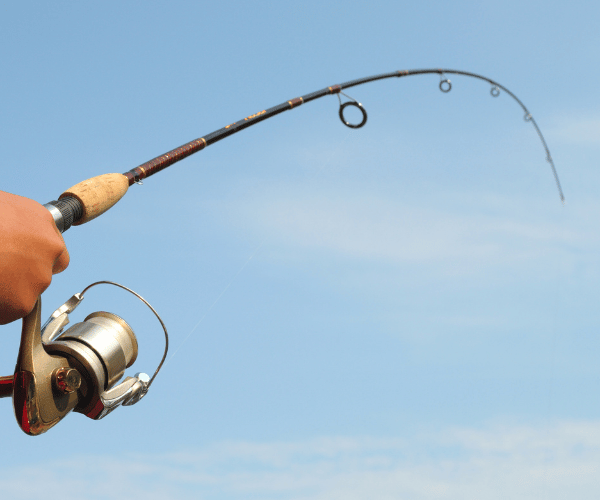
Top 8 Fishing Spots in Tampa Bay
See the best boating destinations in Tampa Bay.
1. Fort De Soto Park
Fort De Soto sits at Pinellas County’s southern tip, offering pristine seagrass flats, sandy beaches, and two productive fishing piers.
Species: Redfish, snook, spotted seatrout, flounder, sheepshead
Best Season: Year-round (peak spring/fall)
Access: Kayak launch, wade-fishing from beaches, shore fishing from two piers, small boat access from Gulf side
Techniques: Work topwater plugs along mangrove edges during moving tides. Target grass flat edges where depth transitions. Fish live shrimp under pier structure. Sight fish tailing redfish on shallow flats during high tide.
The flats surrounding Fort De Soto feature extensive shallow areas requiring precise navigation. Tidal fluctuations significantly affect accessible areas, routes safe at high tide become impassable at low water.
2. Weedon Island Preserve
This mangrove-lined preserve near St. Petersburg offers protected backwater fishing through diverse habitat including mangrove shorelines, grass flats, and oyster beds.
Species: Snook, redfish, spotted seatrout
Best Season: Spring/fall for tailing fish; year-round consistency
Access: Public kayak launches, small boat ramps nearby, limited shore fishing
Techniques: Cast to mangrove edges with live pilchards or jerkbaits for snook. Work soft plastics along oyster bars for redfish. Drift grass flats with live shrimp under popping corks for seatrout.
3. Sunshine Skyway Bridge and Fishing Pier
This iconic structure creates productive fishing through bridge structure and current flows. The Skyway Pier State Park provides over a mile of prime structure fishing.
Species: Snook, redfish, tarpon, sheepshead, Spanish mackerel, mangrove snapper
Best Season: Winter for sheepshead; spring for tarpon; year-round otherwise
Access: Shore fishing from pier (no boat needed), boat fishing beneath bridge spans
Techniques: Bottom fish with shrimp or fiddler crabs for sheepshead. Free-line live baits for tarpon during spring migration. Cast artificial lures parallel to bridge fenders for snook.
Strong tidal currents beneath the Skyway demand respect. Boat operators must monitor commercial shipping traffic using the deep channel.
4. Egmont Key
This island at Tampa Bay’s mouth features drop-offs, passes, and nearshore structure creating habitat for both inshore and offshore species.
Species: Grouper, snapper, cobia, king mackerel, tarpon (seasonal)
Best Season: Summer/fall for nearshore species; spring for tarpon
Access: Boat only (30-60 minute run from mainland ramps)
Techniques: Anchor near rock piles for bottom fishing targeting grouper and snapper. Troll live baits for king mackerel and cobia. Work beach shorelines and passes for tarpon during migration.
Approaching Egmont Key demands careful attention to shallow bars extending from the island. Navigation apps showing detailed bathymetry help identify safe approaches.
5. Terra Ceia Bay
This protected back-bay area south of the Skyway offers quieter waters with less fishing pressure. The mix of grass flats, oyster bars, and mangrove shorelines creates excellent habitat.
Species: Snook, redfish, spotted seatrout
Best Season: Year-round (particularly valuable in winter for protection)
Access: Small boat ramps in Palmetto/Bradenton areas, ideal for kayaks
Techniques: Target mangrove points and creek mouths during moving tides. Work grass flat edges with soft plastics. Focus on oyster bar edges where fish stage.
6. Cockroach Bay and Alafia River Mouth
South shore mangrove and river transition zones create unique estuarine conditions. This area hosts schooling redfish and snook particularly during spring.
Species: Redfish, snook, spotted seatrout
Best Season: Spring for schooling fish concentrations
Access: Boat ramps in Ruskin area; shallow flats require careful navigation
Techniques: Locate large schools of redfish tailing on shallow flats. Cast ahead of moving schools with gold spoons or soft plastic jerkbaits. Work river mouth structure for snook.
Cockroach Bay features some of Tampa Bay’s most extensive shallow water, successful fishing demands precise tidal knowledge and draft awareness.
7. Upper Tampa Bay and Hillsborough River
Northern bay grass flats and river shorelines near Upper Tampa Bay Conservation Park offer protected fishing in urban proximity.
Species: Spotted seatrout, redfish, snook
Best Season: Winter for deeper holes; spring for shallow flats
Access: Multiple kayak launches and small boat ramps
Techniques: Winter concentrates fish in deeper holes, use live shrimp or jigs. Spring movements push fish onto shallow flats, work topwater plugs over grass beds. Target residential dock structures for snook.
8. Emerson Point and Manatee River Mouth
Southern bay flats and river confluence create prime habitat for schooling redfish during fall months.
Species: Schooling redfish, snook
Best Season: Fall for large pods
Access: Launch from Bradenton area ramps
Techniques: Locate large schools of redfish (sometimes hundreds) working shallow flats. Gold spoons work exceptionally well. Target mangrove shorelines and oyster bars for snook using live pilchards.
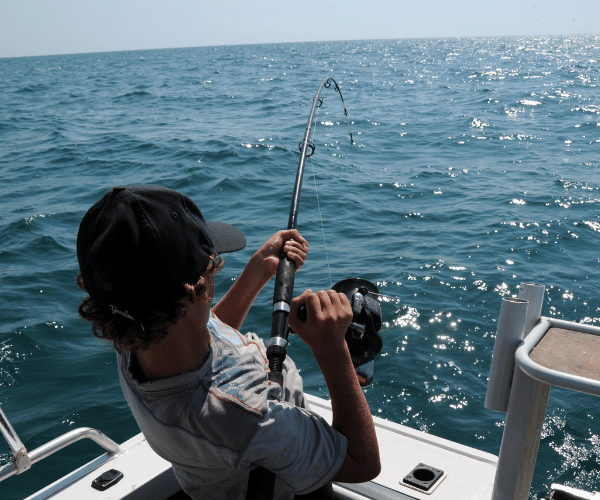
Comparison Table: Tampa Bay Fishing Spots
| Spot | Primary Species | Best Season | Access | Skill Level | Shallow Hazards |
| Fort De Soto | Redfish, Snook, Trout | Year-round | Shore/Kayak/Boat | Beginner-Intermediate | Extensive flats |
| Weedon Island | Snook, Redfish, Trout | Spring/Fall | Kayak/Boat | Intermediate | Mangrove navigation |
| Skyway Bridge | Snook, Tarpon, Sheepshead | Year-round | Shore/Boat | Beginner-Advanced | Strong currents |
| Egmont Key | Grouper, Snapper, Cobia | Summer/Fall | Boat Only | Intermediate-Advanced | Shallow bars |
| Terra Ceia | Snook, Redfish, Trout | Year-round | Kayak/Boat | Intermediate | Shallow flats |
| Cockroach Bay | Redfish, Snook | Spring | Kayak/Boat | Intermediate-Advanced | Very shallow |
| Upper Tampa Bay | Trout, Redfish, Snook | Winter/Spring | Kayak/Boat | Beginner-Intermediate | Variable depths |
| Emerson Point | Schooling Redfish, Snook | Fall | Boat | Intermediate | Shallow flats |
Navigation Challenges and Solutions
Tampa Bay’s extensive shallow grass flats, shifting sandbars, strong tidal currents, and unmarked hazards create navigation challenges that basic GPS cannot address. Traditional paper charts provide static depth information but don’t account for tidal changes or your vessel’s specific draft.
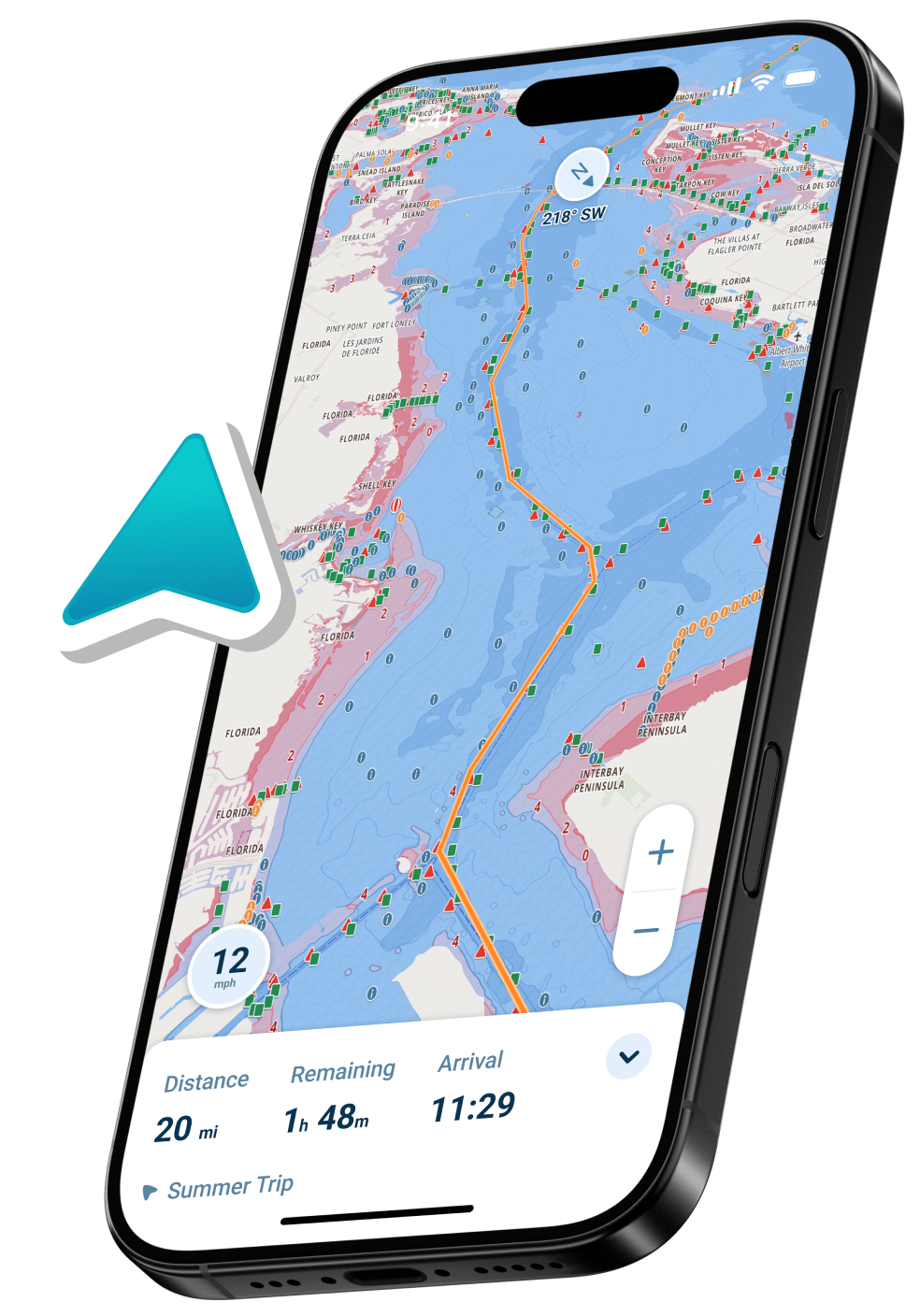
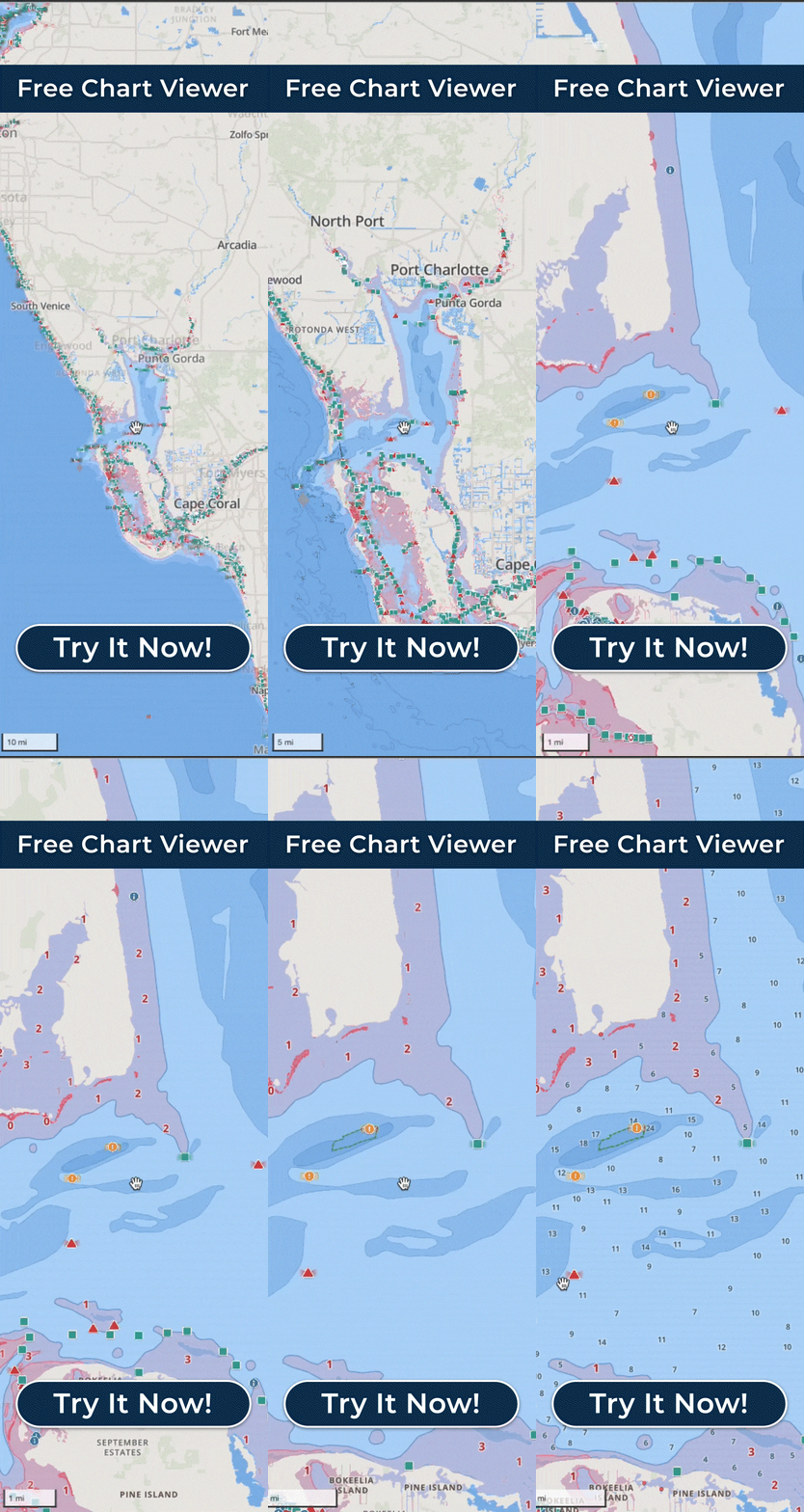
One navigation platform particularly suited to Tampa Bay’s challenges is Wavve Boating. The system provides automatic draft-aware depth shading, enter your vessel’s draft once, and charts color-code safe (blue) versus shallow (red) water based on your boat’s requirements plus current tide levels.
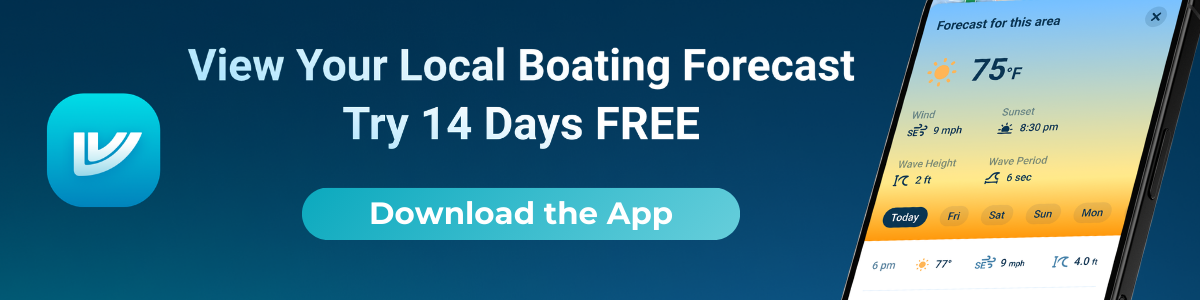
The platform layers seven-day marine weather forecasts directly on charts, showing hourly conditions for planned fishing routes. Real-time tide adjustments update depth displays throughout the day. Community hazard reporting allows local anglers to share information about new sandbars or relocated channel markers. Offline chart downloads ensure navigation works throughout trips regardless of cell coverage.
For anglers operating in Tampa Bay’s challenging shallow environments, this integrated approach transforms navigation from stressful guesswork into confident exploration. Understanding marine weather patterns helps plan safe, productive trips.
Pro Tips for Tampa Bay Success
Work Moving Tides: Fish activity peaks during tidal movement. Plan fishing times around strong tidal phases rather than slack water. Full and new moon phases create strongest tides.
Match Local Bait: Live shrimp work year-round for virtually all Tampa Bay species. Pinfish make excellent baits for larger predators. Scaled sardines and pilchards trigger aggressive strikes from snook and tarpon.
Prioritize Safety: Always check marine weather before departure. Monitor tide tables to ensure adequate depth for return routes. Summer thunderstorms develop rapidly, watch sky conditions and return before storms arrive.
Practice Conservation: The quality of Tampa Bay fishing depends on sustainable populations. Practice catch-and-release for species like snook and tarpon. Use circle hooks to improve fish survival. Handle fish quickly, minimizing air exposure time.
Equipment Appropriate for Platform: Kayak anglers pack light with essential safety gear. Small boat operators invest in quality shallow water anchor systems and consider tilt/trim for navigating skinny water. Shore anglers research access points and bring variety of terminal tackle.
Frequently Asked Questions
What is the best time of year to fish Tampa Bay?
Tampa Bay offers year-round fishing with different species peaking seasonally. Spring and fall provide the most consistent action for redfish, snook, and seatrout. Summer brings tarpon migration. Winter features sheepshead fishing. Choose seasons based on target species.
Do I need a boat to access Tampa Bay’s best fishing spots?
No. Productive locations including Skyway Pier, Fort De Soto piers and beaches, and various shoreline access points produce excellent fishing without boats. However, boat access dramatically expands fishable water and allows reaching many boat-only locations like Egmont Key and extensive grass flats.
Which species are easiest for beginners?
Spotted seatrout over grass flats respond readily to simple presentations making them ideal beginner targets. Sheepshead around structure during winter provide consistent action. Mangrove snapper bite aggressively near bridges and docks.
Are there restricted or no-wake zones?
Yes. Tampa Bay includes numerous manatee protection zones with slow-speed requirements, particularly in warm months. Residential canal areas enforce no-wake regulations. Navigation channels sometimes mandate specific speed limits.
How do I avoid grounding on shallow flats?
Use marine navigation apps showing detailed depth information. Enter your vessel’s draft and monitor depth displays continuously. Pay attention to tide stages. Learn to read water visually, lighter colored water indicates shallows. Reduce speed when uncertain. Follow marked channels in unfamiliar areas.
What navigation tools work best for Tampa Bay fishing?
Marine-specific navigation platforms designed for shallow water operations work best. Look for features including draft-aware depth shading, real-time tide integration, detailed bathymetric charts, offline capability, and community hazard reporting. Platforms like Wavve Boating specifically address Tampa Bay’s navigation challenges.
What regulations apply to Tampa Bay fishing?
Florida requires saltwater fishing licenses for most anglers. Species-specific regulations include size limits, bag limits, and seasonal closures. Snook face slot limits and closed seasons. Tarpon are catch-and-release only except with special harvest tags. Verify current FWC regulations before fishing.
Experience Tampa Bay’s Premier Fishing
Tampa Bay’s diverse fishing spots deliver world-class inshore fishing year-round, from accessible Skyway shores to hidden flats at Fort De Soto and Weedon Island. Success depends on understanding species patterns, seasonal movements, and the bay’s unique geography.
Equally important is safe navigation through challenging shallow water environments. Modern platforms transform these challenges from obstacles into opportunities, providing real-time depth awareness and route planning specifically designed for shallow water operations.
The platform’s free 14-day trial provides risk-free opportunity to experience how integrated navigation enhances fishing trips. Download charts for Tampa Bay, enter your vessel’s draft, mark your first fishing waypoint, and discover how proper navigation tools transform fishing adventures throughout this exceptional fishery.
Content
- Tampa Bay Fishing Overview
- Top 8 Fishing Spots in Tampa Bay
- Comparison Table: Tampa Bay Fishing Spots
- Navigation Challenges and Solutions
- Pro Tips for Tampa Bay Success
- Frequently Asked Questions
- What is the best time of year to fish Tampa Bay?
- Do I need a boat to access Tampa Bay’s best fishing spots?
- Which species are easiest for beginners?
- Are there restricted or no-wake zones?
- How do I avoid grounding on shallow flats?
- What navigation tools work best for Tampa Bay fishing?
- What regulations apply to Tampa Bay fishing?
- Experience Tampa Bay’s Premier Fishing