Introduction: Why You Need a Handheld Marine GPS
When you’re out on the water, having a reliable navigation system isn’t a luxury—it’s a necessity. While many boaters use chartplotters or marine GPS apps, a handheld marine GPS offers critical advantages, especially in emergency situations or when boating off the grid.
Benefits of a Portable Marine GPS on the Water
A handheld GPS gives boaters:
- Reliable positioning without relying on cellular service or Wi-Fi
- Rugged, waterproof construction built for marine environments
- Battery-powered operation, independent of your boat’s electrical system
- Portability, allowing use across different vessels or even onshore
Whether you’re cruising the coast, exploring lakes, or fishing remote spots, a handheld GPS ensures you’re never without navigation—even if your main system fails.
When a Handheld GPS is Better Than a Built-In Chartplotter
Chartplotters are powerful but not always practical for:
- Smaller boats like kayaks, PWCs, or inflatables
- Boaters renting or switching vessels frequently
- Anglers who want to mark hotspots quickly
- Use as a ditch-bag backup in case of emergency
A handheld marine GPS is compact, dependable, and ready to guide you anywhere.
What to Look for in the Best Handheld Marine GPS
Not all GPS devices are suited for marine use. Some are designed for hiking or land navigation only. When choosing a handheld GPS for boating, look for models built specifically with water-based navigation in mind.
Key Features to Prioritize for Boating and Fishing
- Marine chart compatibility (especially NOAA or BlueChart g3)
- Waypoint and route saving for fishing or trip planning
- Compass and altimeter for accurate direction and elevation
- Floating design or rugged waterproof casing
Waterproofing, Battery Life, and Screen Visibility
- Waterproof rating: Look for IPX7 or higher (submersible up to 1 meter for 30 minutes)
- Battery life: At least 10–20 hours is ideal; AA or rechargeable options
- Screen visibility: Choose models with bright, glare-resistant displays for readability in direct sunlight
Chart Support, Waypoint Storage, and Satellite Connectivity
-
Chart support: Some GPS units come with built-in marine charts, others allow chart card upgrades
- Storage: You’ll want the ability to save at least 500–1,000 waypoints
- Satellite support: GPS + GLONASS or Galileo provides better global accuracy and quicker signal acquisition
Best Handheld GPS for Boating and Marine Navigation
Overview of Top Devices for Recreational and Offshore Boaters
In 2026, Garmin remains at the forefront with robust handheld devices built for both inland waterways and offshore cruising. Meanwhile, brands such as Standard Horizon integrate GPS functionality directly into marine radios, offering added convenience and versatility for offshore boaters.
Portable Marine GPS Options That Work Anywhere
- GPSMAP 86sc: Full-featured marine unit with built-in charts
- eTrex 32x: Lightweight, budget-friendly, and map-upgradeable
- Standard Horizon HX890: Dual-purpose VHF + GPS for safety and comms
- Foretrex 701 or Oregon 700: Great for portability or multi-sport use
Top Picks for the Best Handheld Marine GPS in 2026
Comparison Table: Best Models Side-by-Side
| Model | Best For | Charts | Battery Life | Waterproof | Extra Features |
|---|---|---|---|---|---|
| Garmin GPSMAP 86sci | Coastal + Offshore Use | Yes | 40 hrs | IPX7 | Floating, syncs w/ Garmin devices |
| Garmin eTrex 32x | Budget + Inland Use | Optional SD | 25 hrs | IPX7 | Compass, altimeter |
| Garmin zūmo XT2 | VHF + Offshore Safety | Basic nav | 11 hrs | IPX8 | DSC radio, MOB alert |
| Garmin Foretrex 701 | Ultra-prtale, wrist GPS | Optional SD | 48 hrs | IPX7 | Military-grade, wrist-mount |
Ranking Criteria: What Makes a Unit Worth Buying
We based our rankings on:
- Marine chart support
- Battery life and ruggedness
- Navigation accuracy and satellite support
- Ease of use and screen readability
- Price-to-performance ratio

Garmin GPSMAP 86sc – Best Garmin Portable GPS for Marine Use
Full-Featured Marine Handheld GPS with Built-In Charts
The GPSMAP 86sc is purpose-built for marine navigation. It comes preloaded with BlueChart g3 coastal maps, includes a 3-axis compass, and floats if dropped overboard. It also connects wirelessly to compatible Garmin marine equipment, letting you stream data directly from your boat’s systems.
- Battery life: Up to 40 hours
- Satellite support: GPS + GLONASS
- Waterproof rating: IPX7
- Includes: Anchor alarm, tide data, waypoint marking, and MOB features
Who Should Choose This Model?
Perfect for coastal cruisers, offshore anglers, and serious recreational boaters who want professional-grade performance in a portable format.
Garmin eTrex 32x – Best Budget Handheld GPS for Boating
Lightweight and Reliable for Inland and Nearshore Use
The Garmin eTrex 32x is compact, cost-effective, and ideal for boaters who don’t need built-in marine charts but want the ability to add them via microSD.
- Battery life: Up to 25 hours on 2 AA batteries
- Waterproof rating: IPX7
- Satellite support: GPS + GLONASS
- Built-in sensors: Compass and barometric altimeter
Pros and Cons for Marine Environments
Pros:
- Affordable
- Good for small boats and kayaks
- Tough and waterproof
Cons:
- Smaller screen
- No included marine charts (charts require extra purchase)
Standard Horizon HX890 – Best Handheld GPS with VHF Radio Combo
Combines Communication and Navigation in One Unit
The HX890 is a DSC-capable VHF marine radio with built-in GPS. It allows you to send distress calls, mark waypoints, and track your location—all from a rugged, submersible handheld device.
- Battery life: 11+ hours
- Waterproof rating: IPX8 (submersible)
- Bonus: Floats, includes MOB button, dual-watch VHF channels
Ideal for Serious Offshore Boaters
Perfect for offshore sailors or boaters who need both communication and navigation in one emergency-ready device.
Best Handheld GPS for Fishing
Models That Help Anglers Track Spots and Save Waypoints
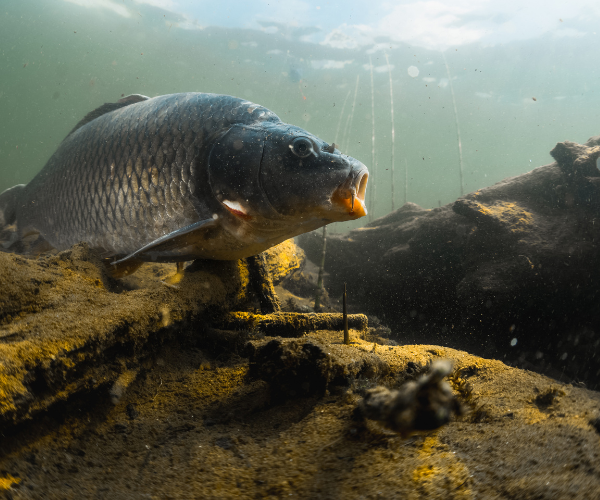
When fishing, the best GPS is one that lets you mark hotspots, track drift, and navigate back to productive areas.
- Recommended fishing-friendly models:
- Garmin GPSMAP 86sc: Built-in charts and high waypoint storage
- Garmin eTrex 32x: Budget-friendly with manual waypoint entry
- Garmin GPSMAP 78sc: Older, but still reliable and floats
Features to Look for in a Fishing GPS
- Easy waypoint marking
- High waypoint storage (500+)
- Tide data and speed tracking
- Waterproofing and floatation
Other Portable Marine GPS Options to Consider
Older Models Still Worth It in 2026
- Garmin GPSMAP 78sc: Still available, includes preloaded charts, floats, and offers solid marine reliability
- Garmin Oregon 700: Touchscreen unit with topo and marine compatibility, good for land + sea
Compact Units for Kayaks, PWCs, and Small Boats
- Garmin Foretrex 701: Wrist-mounted, GPS + GLONASS, highly portable
- Garmin eTrex 22x: Stripped-down version of the 32x for basic navigation at a low costa
Handheld GPS vs. GPS Apps: Which Should You Use?
Can Wavve Boating or Navionics Replace a Device?
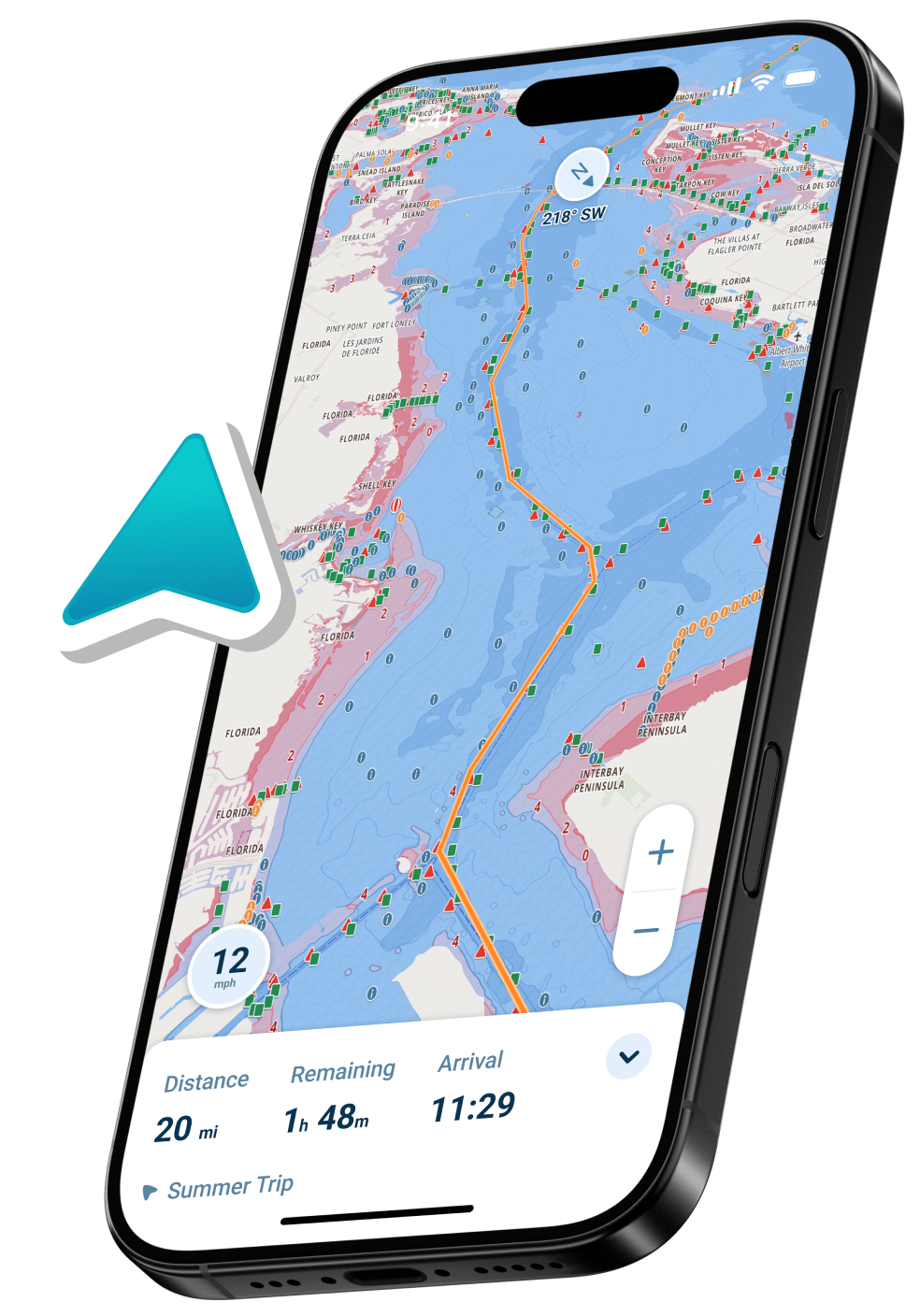
Navigation apps such as Wavve Boating, Navionics, and iNavX provide advanced tools like detailed nautical charts, trip planning capabilities, and integrated weather data. However, they rely on your device’s battery life and can face limitations with connectivity, ruggedness, or performance in offshore conditions.
Pros and Cons of App-Based vs. Hardware GPS
| Handheld GPS Device | Marine Navigation Apps | |
|---|---|---|
| Signal Reliability | Works anywhere | May rely on cell or Wi-Fi |
| Durability | Waterproof, drop-resistant | Vulnerable to water damage |
| Portability | High | High (if phone-based) |
| Battery Life | Long-swapable | Limited by phone battery |
| Cost | High upfront | Lower upfront on free trials |
Verdict: Use apps for day trips and planning.
How to Choose the Right Handheld Marine GPS for Your Needs
Matching a Device to Your Boating or Fishing Style
Choosing the best handheld marine GPS starts with how you plan to use it. Here’s a quick guide to help you match the device to your use case:
| Boating/Fishing Style | Recommended Device(s) | Why It Fits |
|---|---|---|
| Offshore cruising | Garmin GPSMAP 86sc, GPSMAP 86sci | Buil-in BlueCHart, floating design, long battery life, chart sync |
| Casual coastal/outdoor use | Garmin GPSMAP 78sc, eTrex 32x | Affordable, lightwight, chart-compatible, simple operation |
| Kayak / PWC / SUP | Garmin eTrex 32x, Foretrex 801 (wrist-mount) | Compact, durable, great battery life, easy portability |
| Anglers tracking hotspots | Garmin GPSMAP 86sc, 78sc, etrex series | High waypoint storage, easy marking, chart support |
| Safety/emergency backup | GPSMAP 67i, inReach Mini 2 | SOS/messaging, inReach satellite communication, tracking |
| Show or remote land use | Oregon 700, GP73 | Touchscreen or simple UI, multi-use, rugged construction |
This guidance draws from general marine GPS buying advice and use-case breakdowns. For instance, the American Boating Association notes the importance of knowing how you intend to use your handheld—whether as primary navigation, backup, or multi-use across other activities like hiking or fishing.
Price Ranges and What You Get at Each Level
Understanding price tiers helps match your budget to your needs:
- Budget (< US $200): Basic GPS with route and waypoint marking—suitable for occasional use or emergency backup. Expect limited features and simpler UI.
- Mid-range (US $200–$400): Robust handhelds like the eTrex 32x or GPSMAP 78 series, with chart compatibility, better screens, sensors, and longer battery life.
- Premium (US $400+): Advanced marine-ready GPS units with preloaded BlueChart charts, satellite messaging (inReach), extensive connectivity (NMEA, Wi-Fi, ANT+), and chartplotter syncing—e.g. GPSMAP 86sci/67i.
When a Handheld Marine GPS Is Essential for Safety and Emergency Preparedness
A handheld marine GPS is critical when your primary navigation system fails or your boat loses power. Because it runs on its own battery and does not rely on cellular service, it continues working during electrical outages, severe weather, or emergency situations. Devices like the Garmin GPSMAP 86sc and the Standard Horizon HX890 provide accurate positioning, waypoint tracking, and distress features that help rescuers locate you quickly. For offshore boaters and anglers in remote waters, a handheld GPS is an essential safety backup.
How to Maintain and Test Your Handheld Marine GPS
Owning a handheld marine GPS isn’t just about buying the right model—it’s about making sure it works when you truly need it. Before every trip, power on your device and confirm it acquires satellite signals quickly and displays accurate positioning. Check battery levels (or replace spare AA batteries), inspect the waterproof seals, and verify that waypoints and routes are saved correctly. It’s also smart to periodically update firmware and confirm your marine charts are current if your device supports upgrades. For offshore or emergency backup use, test key safety functions like MOB (Man Overboard) alerts and distress position display. A handheld GPS is most valuable when it’s ready at a moment’s notice, so routine checks ensure reliability when conditions turn challenging.
What’s New in 2026 for Handheld Marine GPS Devices
In 2026, handheld marine GPS devices continue to improve in accuracy, connectivity, and safety-focused features. Newer models offer expanded multi-band satellite support including GPS, GLONASS, and Galileo for faster signal acquisition and stronger positioning in challenging conditions. Manufacturers like Garmin are also refining wireless syncing, allowing handheld units to connect more seamlessly with onboard chartplotters and mobile apps for route sharing and waypoint management.
Battery efficiency has improved as well, with longer runtimes and better power-saving modes designed for extended offshore trips. Many devices now feature enhanced MOB functions, clearer sunlight-readable displays, and expanded chart compatibility for coastal and inland waters. Overall, 2026 updates focus on reliability, integration, and ease of use, giving boaters greater confidence whether using a handheld as primary navigation or as a critical backup system.
Conclusion: The Best Handheld Marine GPS for Every Type of Boater
Final Recommendations by Use Case
Your Best All-Around Marine GPS: Garmin GPSMAP 86sc—no compromise between navigation, floating design, chart support, and battery life.
- Best Budget Pick: Garmin eTrex 32x—an affordable, rugged, and reliable unit with optional charting upgrades.
- Best Combo (Radio + Nav): Standard Horizon HX890—integrates DSC VHF radio with GPS in a waterproof, floating casing.
- Best Fishing-Friendly Option: Garmin GPSMAP 78sc—designed with waypoint marking and chart access at a competitive price point.
- Most Portable/Wrist-Mount: Garmin Foretrex 801—perfect for paddlers, minimalists, or anyone needing hands-free navigation.ontent Goes Here
Why Every Boater Should Have a Portable Backup
Even if your boat is outfitted with a fixed-mount chartplotter, a handheld marine GPS adds critical redundancy. It’s invaluable when power fails, during navigation system trouble, or when you venture ashore. Handheld units are also easy to transfer between vessels, float if accidentally dropped, and provide navigation without needing cell or Wi‑Fi. In short, they’re not just a convenience—they’re a vital safety tool.
Let me know if you’d like help translating these insights into a downloadable comparison sheet, a newsletter snippet, or a social media summary!
Content
- Introduction: Why You Need a Handheld Marine GPS
- What to Look for in the Best Handheld Marine GPS
- Best Handheld GPS for Boating and Marine Navigation
- Top Picks for the Best Handheld Marine GPS in 2026
- Garmin GPSMAP 86sc – Best Garmin Portable GPS for Marine Use
- Garmin eTrex 32x – Best Budget Handheld GPS for Boating
- Standard Horizon HX890 – Best Handheld GPS with VHF Radio Combo
- Best Handheld GPS for Fishing
- Other Portable Marine GPS Options to Consider
- Handheld GPS vs. GPS Apps: Which Should You Use?
- How to Choose the Right Handheld Marine GPS for Your Needs
- When a Handheld Marine GPS Is Essential for Safety and Emergency Preparedness
- How to Maintain and Test Your Handheld Marine GPS
- What’s New in 2026 for Handheld Marine GPS Devices
- Conclusion: The Best Handheld Marine GPS for Every Type of Boater