The San Juan Islands rank among the finest boating destinations in the Pacific Northwest, an archipelago in the northwest corner of Washington State offering protected waters, stunning scenery, and some of the best wildlife viewing anywhere.
Cruising among the islands is genuinely special, but these are serious waters that demand respect. Strong currents, significant tides, cold water, and changeable conditions all factor in.
Understanding the islands, how to navigate them, and what to expect lets you enjoy everything they offer while staying safe. This guide covers what you need to know.
Understanding the Islands
The San Juan Islands form an archipelago located between the Washington mainland and Vancouver Island. The islands range from large, populated landmasses to tiny uninhabited rocks, and the channels, passages, and bays that weave between them create a complex and beautiful boating environment. That intricate geography is part of the appeal, offering endless places to explore, but it also means navigation requires attention and planning.
Boaters are drawn to the islands for their protected waters, scenic beauty, and remarkable wildlife. You can cruise between islands, tuck into secluded anchorages, watch for marine life, and take in the Pacific Northwest at its best. The variety of water, from sheltered bays to current-swept passages, offers something for a wide range of boaters, provided they come prepared for what these particular waters ask of them.
Navigating the Waters
Working With Tides and Currents
Tides and currents dominate navigation in the San Juan Islands, and understanding them is not optional here. The islands experience significant tidal exchanges, and currents flow strongly through the passages between islands, strongly enough to noticeably affect your boat’s speed and handling. Currents run particularly hard through certain narrow passages, where fighting an adverse current wastes fuel and can create genuinely dangerous conditions.
The key is to work with the water rather than against it. Timing your passages through the stronger areas to coincide with favorable currents makes navigation easier and safer, and consulting current predictions to plan your movements is a core skill for boating here. Understanding slack water, the brief period when currents are weakest, helps you time transits through the most challenging passages. Planning around the currents transforms San Juan Islands navigation from a struggle into something smooth and manageable.
Reading Current Predictions
Current tables and predictions tell you when and how currents will flow in different passages, and learning to use them is what lets you plan passages during favorable conditions.
This is genuinely essential rather than nice-to-have, because the currents here are strong enough that getting the timing wrong can leave you crawling against the flow or being set off course. Developing the habit of checking current predictions and planning your movements around them is one of the most valuable things you can do as a boater in these islands.
Navigating the Passages
The channels and passages between the islands are the routes you will travel, and understanding their characteristics and currents is key to navigating the archipelago. Some passages are wide and straightforward, while others are narrow with strong currents that demand careful handling.
Charts and navigation tools help you understand the passages and plan your routes, and knowing which passages suit your boat and experience level keeps you safe as you explore.
Watching for Hazards
The waters contain hazards including rocks, reefs, and shallow areas, which charts mark and careful navigation avoids. Some hazards lie near popular passages and routes, so attention is required even on common paths.
Monitoring your position and depth relative to the charted hazards prevents groundings and collisions with rocks, and navigation tools that show your position relative to dangers help you stay clear. Staying alert, particularly in unfamiliar or narrow water, is what keeps you out of trouble.
Weather and Conditions
Pacific Northwest Weather
Weather in the San Juan Islands can change, and conditions vary with the seasons, with fog, wind, and rain all affecting boating at times. Understanding the typical patterns and monitoring forecasts helps you plan and stay safe. Check the forecast before you head out and keep an eye on conditions as you go, ready to adjust your plans or seek shelter if the weather turns. The Pacific Northwest rewards boaters who take its weather seriously.
Dealing With Fog
Fog can develop in these waters, reducing visibility and complicating navigation, and knowing how to handle it matters. Navigating in fog requires extra care, greater reliance on your navigation equipment, and heightened awareness.
If fog sets in, slow down and proceed cautiously, leaning on your instruments to maintain your position and course. Being prepared for reduced visibility, rather than surprised by it, is what keeps a foggy passage from becoming a frightening one.
Respecting Cold Water
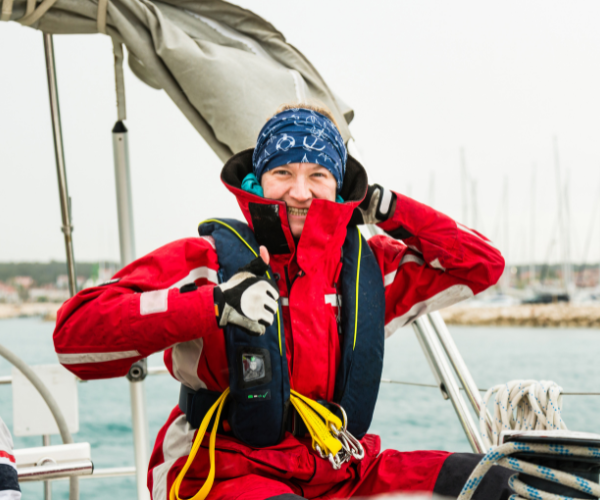
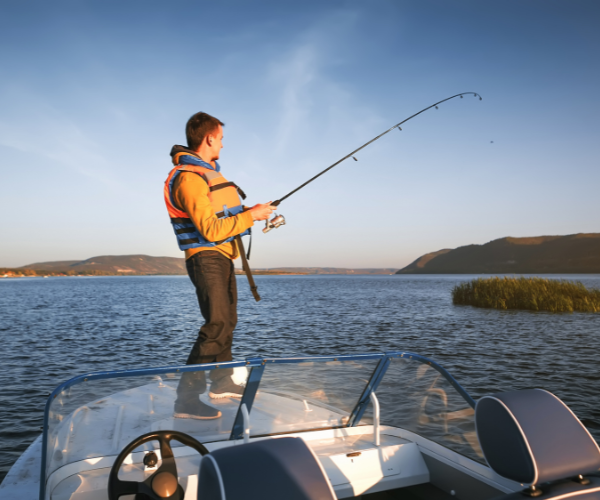
The waters of the Pacific Northwest are cold year-round, and cold water creates serious risk if anyone ends up in it unexpectedly. Understanding the implications of cold water and taking appropriate precautions, including proper life jackets and suitable clothing, matters a great deal here.
This is not warm-water boating, and treating the cold water with the respect it demands shapes sensible preparation and sensible decisions on the water.
Anchorages and Wildlife
Finding Good Anchorages
The San Juan Islands offer numerous anchorages, from popular spots to secluded coves, giving you places to rest, spend the night, and enjoy the islands. Understanding anchoring in these waters, including bottom conditions and protection from wind and current, helps you anchor safely.
Choosing an anchorage suited to the current and expected conditions matters, since a spot that is well protected from one wind direction may be exposed to another. A little thought about conditions when selecting your anchorage pays off in a secure, peaceful night.
Enjoying the Wildlife Responsibly
The San Juan Islands are renowned for marine wildlife, and encounters are one of the great joys of boating here. Observing wildlife responsibly, maintaining appropriate distance, and following the guidelines protects both the animals and your own safety.
Regulations and guidelines exist specifically to protect marine life, and following them while enjoying these remarkable encounters is part of boating here the right way. A quiet, respectful approach also tends to give you better and longer wildlife viewing than crowding ever would.
Preparing for Your Trip
Navigation Equipment
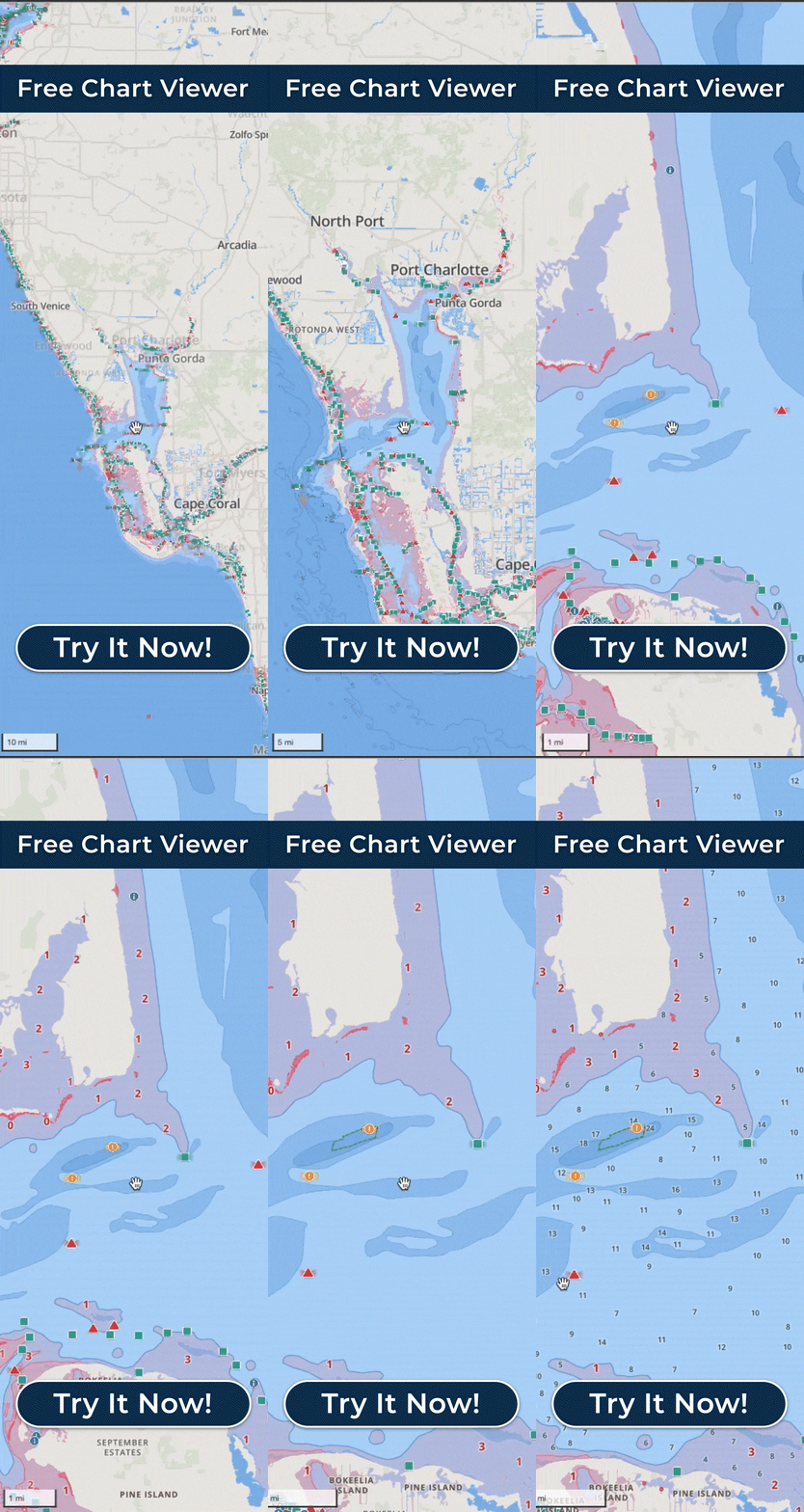
Reliable navigation gear is essential for the islands’ complex waters and strong currents. Charts or a navigation app covering the islands, combined with GPS positioning and current information, help you navigate safely, and understanding your equipment before you go lets you handle the challenging conditions.
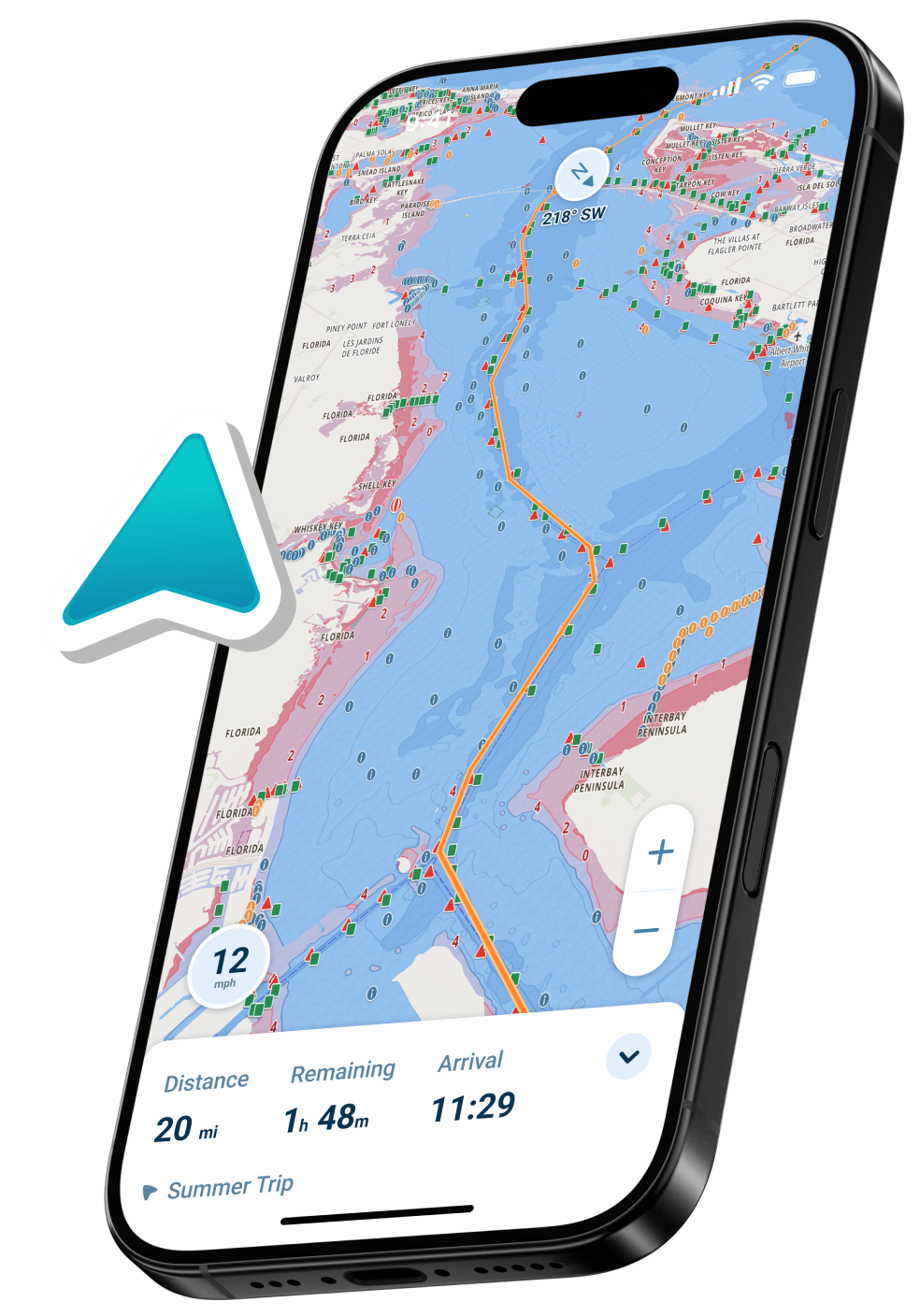
Modern navigation apps that show your position, the island layout, depth, and other information help you navigate with confidence, which is especially valuable given the strong currents and numerous hazards. Whatever you choose, make sure it covers the islands and that you know how to use it well.
Safety Equipment
Carry all the required safety equipment plus sensible extras for these waters.
Life jackets, communication devices, and emergency supplies provide a margin, and the cold water, currents, and changeable conditions make thorough safety preparation genuinely important here.
Make sure your communication equipment works and that you understand your emergency procedures. These waters reward preparation and punish complacency, so err on the side of being over-prepared.
Planning Your Passages
Plan your passages accounting for currents, tides, distances, and conditions. Understanding when to transit particular passages based on the currents makes your boating both safer and more efficient, and building flexibility into your plans lets you adapt to weather and conditions.
Good planning is the difference between a relaxed cruise through the islands and a series of stressful fights against water that could easily have been timed better.
Island Hopping and Making the Most of the Archipelago
Planning a Route Between Islands
Part of the pleasure of the San Juans is moving from one island to the next, each with its own character, anchorages, and things to see. Planning a route that strings together the islands you want to visit, while accounting for the currents and conditions between them, lets you explore the archipelago at a comfortable pace.
Rather than trying to see everything in a rushed weekend, many boaters find it more rewarding to choose a handful of destinations and give each one proper time, letting the currents and weather shape a relaxed, flexible itinerary.
Choosing the Right Tools for the Job
Because these waters combine strong currents, numerous hazards, and the need for careful timing, the navigation tools you bring matter. A capable app or chartplotter that shows your real-time position, depth, and the layout of the islands takes a lot of the stress out of threading between rocks and timing passages.
If you are still weighing your options, it is worth reading about the best marine navigation app for your needs and understanding how to navigate shallow water, since both come into play often in the San Juans.
The right tools, combined with sound seamanship and respect for the conditions, are what let you explore these islands with genuine confidence.
Timing Your Visit by Season
Different seasons bring different conditions and experiences in the islands. Understanding what each part of the year offers, in terms of weather, crowds, and wildlife, helps you plan a visit that matches what you are after. Some boaters prize the long days and settled weather of the warmer months, while others value the quiet of the shoulder seasons. Whatever you choose, planning around the season’s conditions, and building in flexibility for the weather, sets you up for the best possible experience among these remarkable islands.
Boating the San Juans With Confidence
The San Juan Islands offer some of the Pacific Northwest’s finest boating across their scenic, wildlife-rich waters, but they ask for genuine preparation in return. Understand and plan around the strong tides and currents that dominate these waters, timing your passages through the challenging areas to coincide with favorable flow.
Monitor the weather and be ready for fog and changing conditions. Navigate carefully among the rocks, reefs, and hazards, keeping an eye on your position and depth.
Respect the cold water and carry appropriate safety equipment, observe wildlife responsibly and follow the guidelines, and make sure your navigation tools cover the islands and that you know how to use them. Do all of that, and you can enjoy everything this remarkable archipelago offers, whether you are cruising between islands, tucking into a secluded cove, or watching marine life from a respectful distance. Thorough preparation and respect for these demanding waters are what make for safe, unforgettable boating in the San Juans.