The San Juan Islands offer world-class kayaking through spectacular Pacific Northwest waters teeming with marine life. Paddling among these islands can be the experience of a lifetime, but it is serious kayaking that demands preparation and respect.
Cold water, strong currents, and changeable conditions make these waters genuinely challenging, not a place for casual, unprepared paddling. Understanding the islands, how to paddle them safely, and what they ask of you lets you enjoy this remarkable destination while staying safe. This guide covers the essentials.
Understanding the Islands for Kayaking
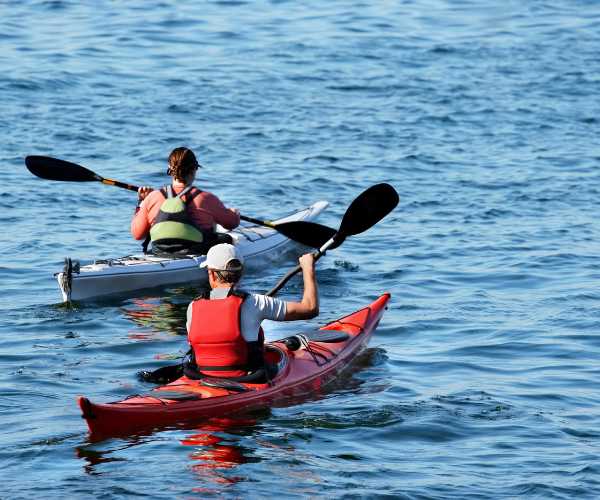
The San Juan Islands form an archipelago in the northwest corner of Washington State, offering kayakers a stunning environment of islands, channels, and protected waters. The paddling ranges from sheltered bays to more exposed passages, and the combination of marine wildlife, scenic beauty, and the sense of exploration the archipelago provides makes it a premier kayaking destination. For paddlers with the skills and preparation to handle these waters, the rewards are extraordinary.
But it is important to be clear-eyed about what these waters are. The cold water, strong currents, and conditions mean kayakers need to prepare thoroughly and paddle within their abilities. This is not a place to learn the basics or to push beyond your experience. Approached with the respect and preparation it deserves, the San Juans offer some of the finest sea kayaking anywhere; approached casually, they can become dangerous quickly.
The Challenges to Respect
Cold Water
The waters of the San Juan Islands are cold year-round, and cold water poses a serious risk to kayakers. Immersion in cold water can quickly cause problems, which makes capsizing potentially dangerous in a way it simply is not in warm water.
Understanding cold water risk and preparing for it, with proper clothing and safety equipment, is genuinely essential here rather than optional. The cold water should shape every part of how you prepare and how you paddle, because its implications are serious and unforgiving.
Strong Currents
Currents flow strongly through the passages between the islands, and they can be powerful enough to significantly affect kayakers. Paddling against a strong current can be exhausting or outright impossible, and currents can also carry a kayaker in unintended directions. Understanding and respecting the currents is central to safe kayaking here.
Planning your paddles around current predictions, avoiding dangerous current areas, and understanding how the currents will affect your route are all part of paddling these waters safely. The currents demand serious attention and can create hazardous conditions for the unprepared.
Changing Conditions
Weather and water conditions can change in the islands, with fog, wind, and shifting weather all affecting safety. Conditions that are manageable can deteriorate, so monitoring the situation and being ready to respond matters.
Understanding the potential for change, and building it into your planning and your decisions on the water, is part of paddling the San Juans responsibly. The paddler who assumes conditions will stay as they are at launch is the one most likely to get caught out.
Planning Around Tides and Currents
Why Current Planning Is Essential
Successful kayaking in the San Juan Islands depends heavily on understanding and planning around the currents.
The strong currents through the passages mean paddling at the wrong time can be dangerous or exhausting, while paddling with favorable currents makes travel manageable. Current planning is not an advanced nicety here; it is fundamental to paddling these waters safely. Learning to use current predictions transforms your kayaking, letting you plan your movements around the water rather than fighting it.
Reading Current Predictions
Current tables and predictions tell you when and how currents will flow, and learning to read and use them is what lets you plan safe paddling. Understanding the timing of current changes, the strength of currents in different areas, and when slack water occurs helps you time your crossings and transits.
This is a core skill for San Juan Islands kayaking, one that determines when and where you can safely paddle, so developing it and using it consistently is among the most important things you can do as a paddler here.
Crossing Channels Safely
Crossing the channels between islands requires particular care, given the currents and the potential for boat traffic. Planning your crossings for favorable currents, understanding the distance you will cover, and watching for vessel traffic all keep you safe.
When you cross a channel, plan for how the current will affect you and time the crossing appropriately, since a crossing that is straightforward at slack water can become genuinely dangerous when the current is running hard. Careful, well-timed channel crossings are a hallmark of experienced paddling in these islands.
Staying Safe on the Water
Cold Water Preparation
Given the cold water, proper preparation is essential rather than a matter of comfort. Clothing designed for cold water paddling, suited to the conditions, provides important protection, and understanding cold water safety genuinely affects your survival if you end up in the water. This preparation is not optional for San Juan Islands kayaking. Let the implications of the cold water inform every aspect of how you equip yourself and how you make decisions on the water, because getting this wrong has serious consequences.
Wearing Your Life Jacket
Always wear a properly fitted life jacket. In cold water with strong currents, it is critical safety equipment, and wearing it consistently means it protects you if you capsize. In these waters especially, the life jacket is essential, not optional, and it should be on your body rather than stowed somewhere you could never reach it if things go wrong quickly.
Communication and Emergencies
Carry appropriate communication and signaling equipment, because the ability to call for help matters enormously if something goes wrong in these waters. Understanding your emergency procedures and being prepared for problems provides essential safety given the challenging conditions.
Share your paddling plans with someone, including your route and expected return, so help can find you if you do not come back as expected. These precautions are especially important here, where the margin for error is smaller than in gentler waters.
Paddling Within Your Abilities
The San Juan Islands demand appropriate skill and experience, and conditions that challenge experienced paddlers can endanger beginners. Understanding your abilities and paddling within them is essential. These are not beginner waters for challenging conditions, and self-assessment is genuinely important here.
Building experience gradually, starting in sheltered conditions with favorable currents, develops your skills safely, and considering guided trips or instruction while you build experience is a sound approach rather than a sign of weakness.
Wildlife, Guided Trips, and Gear
Marine Wildlife Encounters
The San Juan Islands are renowned for marine wildlife, and kayakers often encounter remarkable animals. Observing wildlife responsibly, maintaining appropriate distance, and following the guidelines protects both the animals and your own safety.
A kayak offers quiet, close wildlife observation when you approach respectfully, and the guidelines that protect marine life exist for good reason. Respecting wildlife while enjoying these remarkable encounters is part of paddling the islands the right way, and a calm, respectful approach tends to reward you with better and longer encounters anyway.
Considering a Guided Trip
For paddlers less experienced with these particular waters, a guided kayaking trip is a genuinely smart way to experience the islands safely. Experienced guides understand the currents, the conditions, and the safe practices, and they can take you places you would not feel confident reaching on your own.
A guided trip is a valuable option for enjoying the islands while building your understanding of these challenging waters, and there is no shame in choosing it; many experienced paddlers started exactly this way.
Bringing the Right Gear
Bring gear appropriate for these demanding waters, including proper cold water clothing, your life jacket, communication and signaling equipment, navigation tools, and adequate supplies. The challenging conditions warrant thorough equipment preparation.
Think about what these waters genuinely demand and equip yourself accordingly, since proper gear prepares you for the conditions and for any problems that arise.
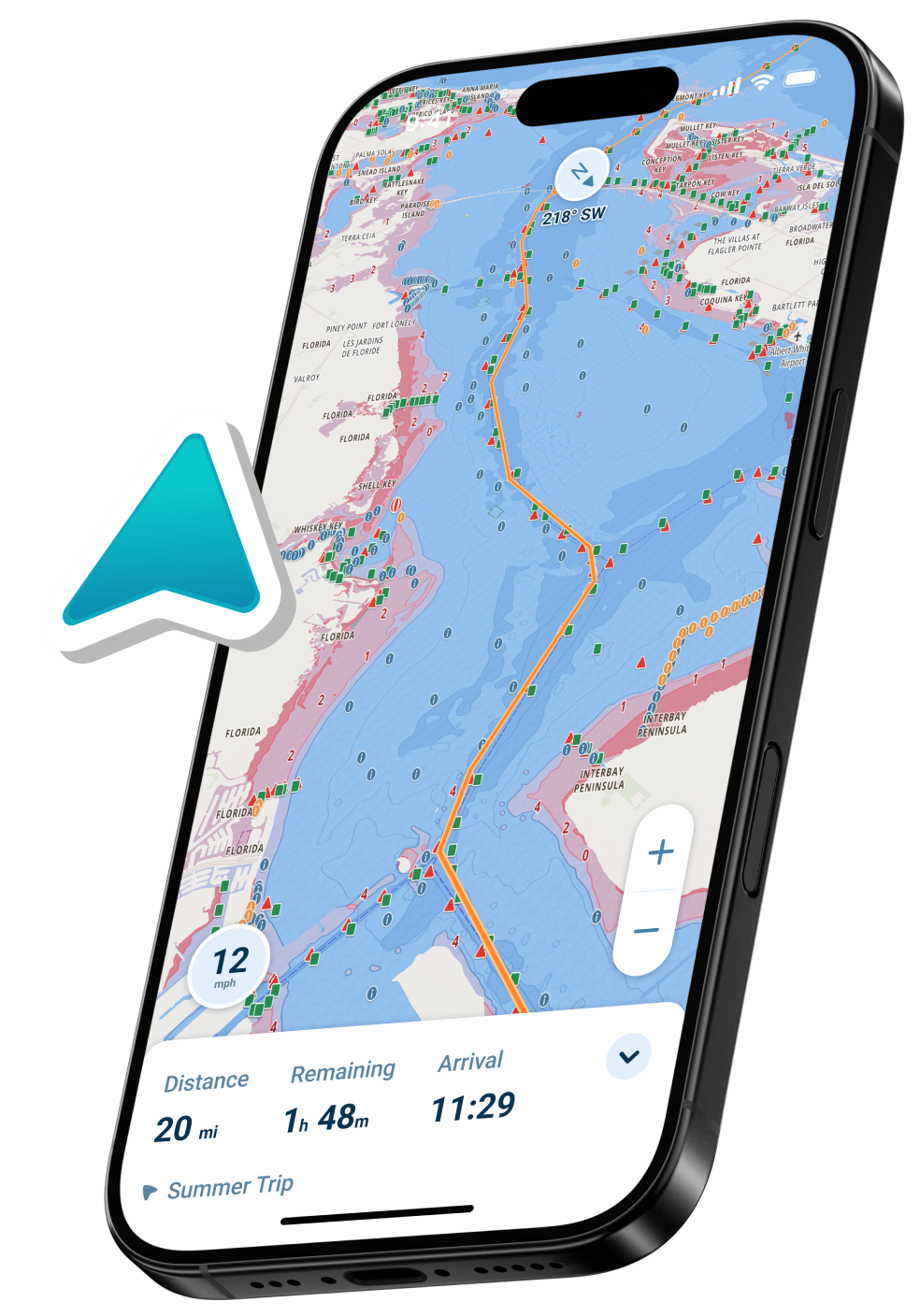
Bringing navigation tools and current information, and understanding your position and the island layout, supports safe paddling, and it is worth learning how to navigate shallow water and what makes for a capable setup by reviewing the best marine navigation app options before you go.
Choosing When and Where to Paddle
Matching the Water to Your Skills
The San Juans offer a genuine range of paddling, from sheltered bays that suit less experienced paddlers to exposed, current-swept passages that demand skill. Choosing water that matches your abilities, rather than being drawn to the most dramatic crossings, is one of the smartest safety decisions you can make here.
As your experience grows, you can take on more challenging water, but there is no benefit in rushing it, and plenty of risk. Building up gradually, from protected areas toward more demanding passages, is how confident San Juans paddlers are made.
Timing Your Visit
Different seasons bring different conditions, and understanding what each part of the year offers helps you plan a visit that suits your abilities and your goals. Settled weather makes for easier, more predictable paddling, while rougher seasons demand more skill and more caution.
Whatever time you choose, plan around the conditions that season typically brings, and build flexibility into your plans so you can adapt when the weather or the forecast shifts. The paddlers who have the best experiences here are the ones who let the conditions, not a fixed schedule, guide their decisions.
Paddling the San Juans With Confidence
The San Juan Islands offer world-class kayaking through spectacular, wildlife-rich waters, but they ask for serious preparation and respect in return. Respect the cold water and prepare for it with proper clothing and safety equipment. Understand and plan around the strong currents, using current predictions to time your paddling and your crossings. Monitor the conditions and be ready for changing weather, including fog.
Always wear your life jacket, carry communication and signaling equipment, and paddle within your abilities, considering guided trips while you build experience.
Observe wildlife responsibly and follow the guidelines, bring the right gear, and share your plans before you go.
Approach these waters with the seriousness they deserve, and you can safely enjoy this remarkable destination, whether you are watching marine life from a respectful distance, threading a well-timed channel crossing, or simply taking in the extraordinary scenery. Thorough preparation and genuine respect for these demanding waters are what make for safe, unforgettable kayaking in the San Juans.