Tampa Bay is a rewarding place to kayak, a large estuary on Florida’s Gulf Coast that combines calm, accessible water with abundant wildlife and genuinely beautiful scenery.
From sheltered mangrove shorelines to open bay waters, it offers paddling for a wide range of skill levels and interests. But Florida’s sun, heat, tides, and afternoon storms all factor into a safe, enjoyable day on the water.
Understanding the bay, how to paddle it safely, and what to expect helps you make the most of everything it offers. This guide covers the essentials.
Getting to Know the Bay for Paddling
Tampa Bay is a large estuary offering extensive water for kayaking, with a mix of environments ranging from sheltered mangrove areas to more open bay.
That variety is a big part of its appeal, providing paddling opportunities suited to different skill levels and preferences. A beginner can find calm, protected water to build confidence, while a more experienced paddler can take on open crossings and longer routes.
Kayakers come to Tampa Bay for its accessible paddling, its wildlife viewing, and its scenery. Mangrove shorelines, seagrass flats, and calm water make for rewarding outings, and understanding the different environments helps you choose paddling locations that match your skills and interests.
Knowing which areas offer shelter and which are more exposed is the first step to planning a good paddle here.
Planning Your Paddle
Understanding the Tides
Tides have an effect on kayaking in Tampa Bay, with water levels changing through the day and tidal currents making some directions easier to paddle than others. Planning your paddle around the tides is genuinely worthwhile. Paddling with the tide rather than against it conserves energy, and understanding when the tide will change helps you time your outing so you are not fighting the water on the way back. In shallow areas, the tide determines how much water you have, so understanding the tidal pattern keeps you from getting stranded in a spot that drains at low tide.
Reading the Conditions
Wind, tide, and weather all shape kayaking conditions, so assessing them before you launch is key to a safe paddle. Open water can get genuinely challenging in wind, while sheltered areas stay calmer, and understanding how conditions affect different parts of the bay helps you choose where to paddle. Check the conditions before you head out and pick paddling areas that match both the conditions and your skills. When open water is rough, the mangrove shorelines offer protected alternatives that keep a windy day enjoyable rather than exhausting.
Choosing Your Route
Plan your route with distance, conditions, tides, and your own abilities in mind. Starting with shorter, sheltered paddles helps you build experience before you take on longer or more exposed routes, and having a clear plan improves both safety and enjoyment. Think about your launch and landing points, the distances involved, and how conditions might change while you are out, and build in flexibility so you can adapt if the wind picks up or the weather shifts. A little planning turns a paddle from a gamble into a pleasure.
Staying Safe on the Water
Wear Your Life Jacket
Always wear a properly fitted life jacket while kayaking. It is your single most important piece of safety equipment, providing flotation if you capsize or simply tire out, and wearing it consistently, rather than stowing it where you cannot reach it, is what makes it protect you when you need it. This is the simplest safety habit there is, and the most important.
Sun and Heat
Florida’s sun is intense, and kayakers are exposed to it for the entire paddle, so sun protection matters a great deal. Sunscreen, protective clothing, a hat, and sunglasses all help prevent sunburn and protect your health, and staying hydrated in the Florida heat prevents dehydration that can genuinely endanger you. The combination of sun and heat is easy to underestimate on the water, where a breeze masks how much you are being cooked, so managing both is central to a safe, comfortable outing.
Staying Hydrated
The Florida heat makes hydration essential rather than optional. Bring plenty of water and drink regularly throughout your paddle, because dehydration impairs both your judgment and your physical ability, creating safety risks. It is easy to forget to drink when you are enjoying yourself, so make a habit of sipping regularly rather than waiting until you feel thirsty, by which point you are already behind.
Watching the Weather
Florida weather can change quickly, and afternoon thunderstorms develop frequently, especially in summer. Monitoring the weather before and during your paddle helps you avoid dangerous conditions, and being ready to head for shore when storms threaten is essential.
Lightning is a serious danger to kayakers out on open water, so when storms are building, get off the water promptly rather than hoping they pass. Understanding Florida’s tendency toward afternoon storms, and planning your paddle around it, keeps you safe.
Staying Aware of Boat Traffic
Tampa Bay sees boat traffic, and kayakers have to stay aware of larger vessels. Kayaks sit low in the water and can be hard for boaters to see, so making yourself visible, avoiding boat channels where you can, and staying alert to traffic all keep you safe.
Bright clothing and gear improve your visibility, and understanding where boat traffic concentrates lets you paddle in safer areas. The responsibility for staying clear largely falls on you, since you are the one who is hard to spot.
Wildlife and the Environment
Encountering Wildlife
Tampa Bay hosts abundant wildlife, and kayakers often encounter birds, fish, and other creatures up close, which is one of the great pleasures of paddling here. Observing wildlife responsibly, keeping your distance, and not disturbing the animals protects both the wildlife and your experience.
A kayak offers wonderfully quiet, close observation when you approach respectfully, so a calm, unobtrusive approach rewards you with better encounters than crowding ever would.
Exploring the Mangroves
The mangrove areas offer some of the best paddling in the bay, sheltered, wildlife-rich environments where you can thread through mangrove tunnels and along quiet shorelines. These areas tend to stay calmer than open water, which makes them a reliable choice when wind would otherwise spoil a paddle.
When you explore the mangroves, navigate carefully and respect the sensitive environment, since mangroves provide crucial habitat and deserve a light touch. For many paddlers, the mangroves are the highlight of kayaking Tampa Bay.
Protecting the Seagrass
Seagrass beds provide important habitat and appear throughout many of Tampa Bay’s waters. Paddling responsibly and avoiding damage to the seagrass helps protect these valuable ecosystems, which support much of the bay’s marine life.
Understanding where it grows, and paddling conscientiously around it, is part of being a responsible visitor to these waters.
Preparing for Your Paddle
Essential Gear
Bring the essentials: your life jacket, plenty of water, sun protection, and a means of communication.
A whistle or other signaling device, a phone in a waterproof case, and appropriate clothing round out a sensible kit, and matching what you bring to your planned paddle and the conditions keeps you prepared.
Longer paddles call for more water and supplies, so think about what your specific outing requires rather than packing the same thing every time.
Sharing Your Plans
Tell someone your paddling plans, including where you are going and when you expect to be back. This simple float plan means help can find you if you do not return as expected, and carrying communication equipment lets you call for help if you need it. These small precautions cost nothing and provide genuine safety, so they are worth making a habit.
Knowing Your Limits
Paddle within your abilities, especially while you are still building experience. Conditions that an experienced paddler handles easily can endanger a beginner, so understanding your limits and choosing appropriate paddling keeps you safe.
Building experience gradually, in suitable conditions, develops your skills without putting you in situations you are not ready for. There is no rush, and self-assessment is one of the most valuable safety tools you have.
Finding Your Way Around the Bay
Using Charts and Navigation Tools
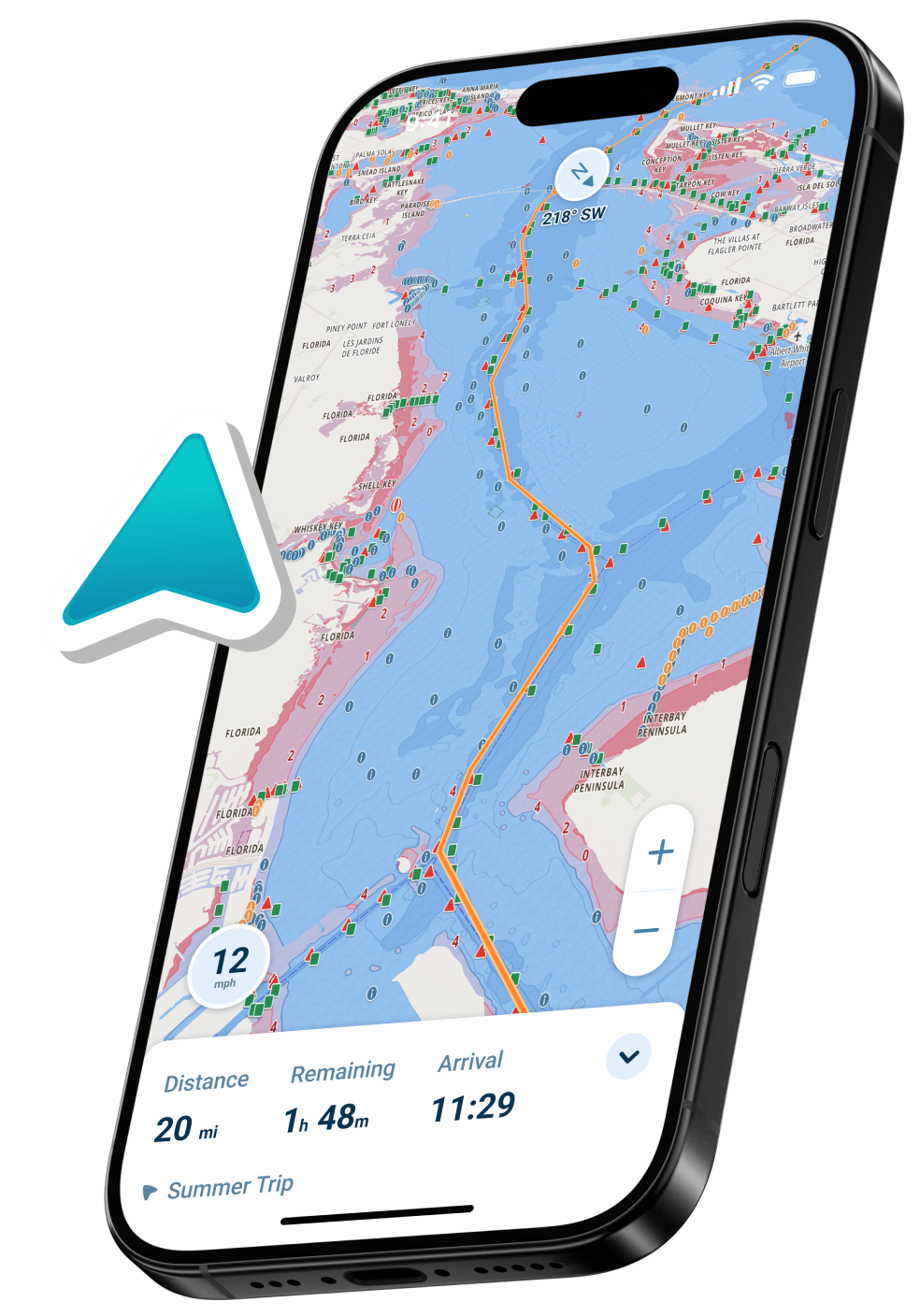
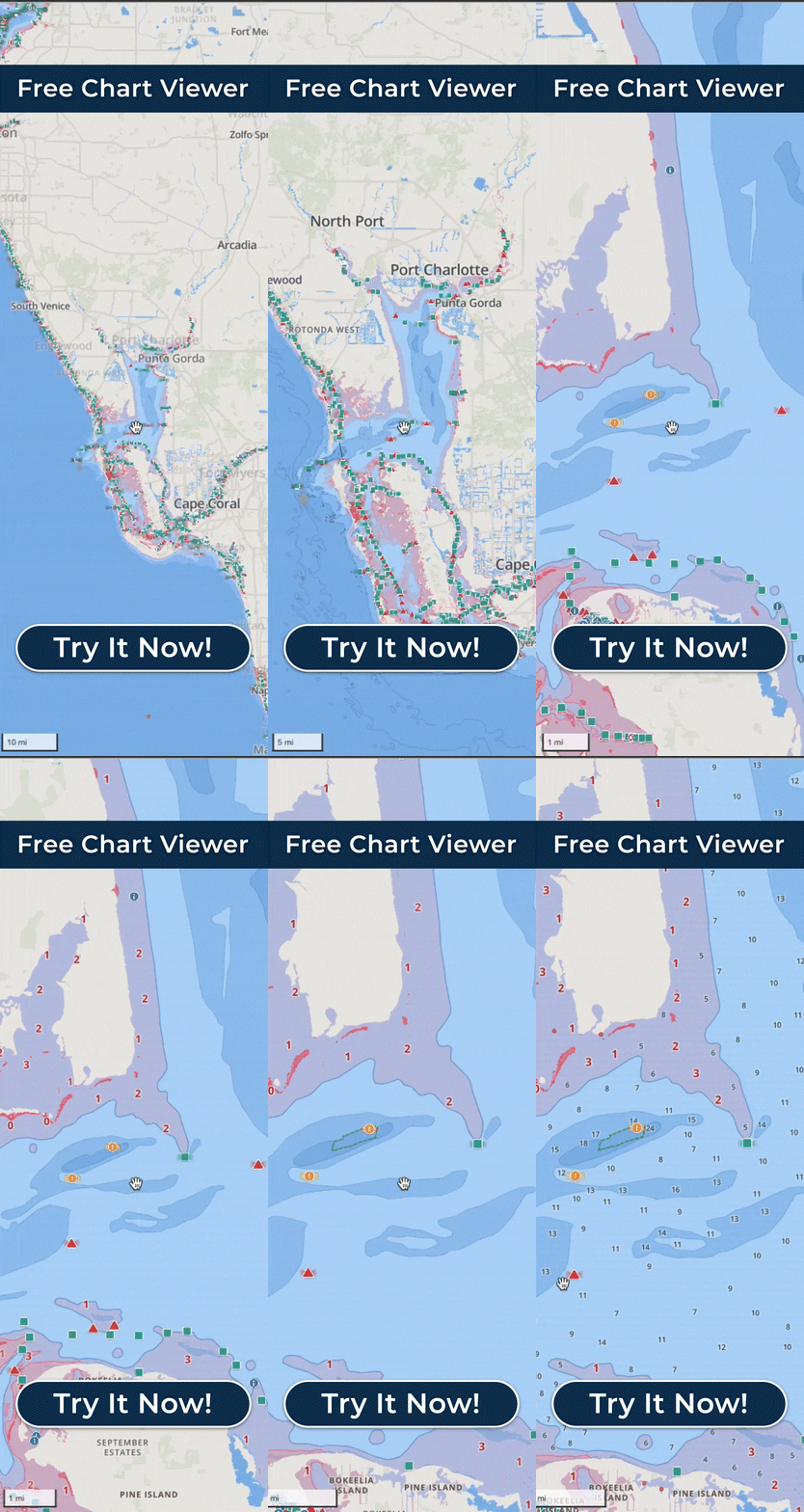
Tampa Bay is large and, in places, genuinely maze-like among the mangroves, so having a way to track your position and understand the water around you is worthwhile even for a casual paddle. Knowing the depths, the channels, and where the shallow flats lie helps you plan a route that works with the tide and keeps you clear of both boat traffic and spots that drain at low water. Paddlers who explore the bay’s quieter corners often appreciate being able to see exactly where they are relative to launch points and hazards.
A simple phone-based navigation app can handle much of this, showing your position on the chart along with depth and tide information. If you want to understand the options for the region, it is worth looking at the best marine navigation apps for South Florida, many of which cover Tampa Bay and the surrounding Gulf Coast waters. For a kayaker, the goal is not a complicated setup but simply knowing where you are and what the water is doing, which makes exploring unfamiliar parts of the bay far less stressful.
Best Times to Paddle
Timing your paddle well makes a real difference in Tampa Bay. Mornings often bring calmer water and cooler temperatures, before the afternoon heat and the thunderstorms that so often build later in the day.
Paddling early also tends to mean lighter boat traffic and better wildlife activity, so an early launch frequently delivers the best of the bay on several fronts at once.
Thinking about the tide, the wind, the heat, and the storm risk together, rather than any one of them alone, is what lets you pick the window that will give you the best possible outing.
Paddling Tampa Bay With Confidence
Tampa Bay offers rewarding kayaking across its diverse, wildlife-rich water, but a great day comes from preparation. Plan your paddle around the tides, using them to your advantage and avoiding getting stranded in shallow areas. Always wear your life jacket, and take Florida’s sun and heat seriously with proper protection and steady hydration. Watch the weather closely and get off the water when storms threaten.
Stay aware of boat traffic and make yourself visible to larger vessels, observe wildlife responsibly, and protect the sensitive mangrove and seagrass environments. Bring the essential gear, share your plans, and paddle within your abilities.
Do all of that, and you can enjoy everything this Florida destination offers, whether you are gliding through a mangrove tunnel, watching a wading bird at close range, or simply soaking in the quiet of a calm morning on the water. Thoughtful preparation is what makes for safe, memorable kayaking in Tampa Bay.