What To Do If Your Boat Runs Aground: Emergency Response Guide
Running aground creates stressful situations testing both your knowledge and composure. Knowing the correct response procedures minimizes damage, prevents injuries, and increases recovery success. This comprehensive guide walks you through immediate actions, damage assessment, and recovery options helping you handle groundings effectively.
Immediate Response: The First Minutes Matter
Assess Your Situation Immediately
When your boat strikes bottom, immediately determine if you’re securely grounded or beginning to sink. Feel whether the hull movement indicates solid grounding or water entry. Listen for rushing water indicating hull damage.
If water is rushing in, activate bilge pumps immediately and head toward shallow water if possible. Controlled beaching in shallow water provides better outcome than sinking in deep water.
If the grounding feels solid with no water entry, you have time to think and plan carefully.
Stop All Engine Movement
Shut down engines immediately to prevent further grinding damage. Continuing to operate engines on grounded boat creates massive additional damage. Turn off all motors and thruster systems.
Transmission damage from continued engine operation often exceeds initial grounding damage. The temptation to simply power free usually worsens the situation significantly. Resist the impulse to force the boat off bottom.
Check for Water Entry
Inspect the engine compartment and cabin for leaks. Open through-hull fittings and inspect carefully. Activate bilge pumps if water is present.
Determine whether water entry represents immediate danger requiring evacuation or manageable leakage controllable with pumps. Small leaks often don’t represent evacuation emergencies but require constant monitoring.
Contact Proper Authorities
Call Coast Guard if outside U.S. waters. Report your situation and location clearly. They provide expert guidance and response if necessary. In inland waters, contact local marine authorities. Always report groundings to appropriate authorities.
Provide them with your boat’s size, number of people aboard, estimated damage, and current condition. They direct resources appropriately based on your specific situation.
Damage Assessment
Evaluate Hull Damage
Determine whether impact damaged the hull or merely ran you onto soft bottom. Soft sand groundings typically involve no structural damage. Rock or hard bottom impacts often cause hull damage.
Examine the hull underwater if safe to do so. Modern smartphones with waterproof cases capture underwater images showing hull condition. This assessment determines recovery approach.
Test for Stability
Check whether the boat shifts position or remains stable. Shifting suggests you haven’t fully wedged and might shift unexpectedly. Stable grounding indicates you’re securely lodged.
Make sure no one is in positions where boat movement could cause injury. Alert passengers to potential movement and instruct them to remain seated.
Assess Structural Integrity
Look for cracks or obvious damage indicators. Feel the hull for stress signs. Check whether the boat is listing or sitting level indicating symmetrical damage or one-sided impacts.
Determine whether you can safely operate the boat if refloating occurs. Some damage situations make continuing boating unsafe requiring professional towing.
Refloating Your Boat
Lighten the Boat
Remove weight wherever possible. Fuel, water, supplies, and passengers all add weight. Offload everything moveable to reduce grounding weight.
Transfer heavy items to another boat if available. This simple action often provides enough weight reduction to refloat on the next high tide.
Wait for Tidal Change
If tidal waters, the most straightforward approach involves waiting for rising tides to refloat your boat. Tidal cycles provide free flotation assistance requiring only patience.
Calculate when high tide occurs. Plan refloating for that timing. Rising water gradually refloats without engine stress that forced refloating creates.
Rock the Boat Gently
Once water level rises slightly, gently rock the boat using soft reversing and forward movement. Rock rather than force. This gentle action helps break suction and reposition the boat.
Use power trim to lift the bow or stern depending on grounding angle. Power trim provides controlled lifting without grinding stress.
Use Kedging Techniques
Anchors can assist refloating through properly executed kedging. Drop an anchor in deeper water then power forward toward the anchor using winch assistance.
This ancient technique remains effective today using modern equipment. Executing kedging safely requires planning and often assistance.
Contact Professional Recovery
If your own efforts don’t refloat the boat within hours, contact a professional marine salvage company. Continued refloating attempts risk additional damage exceeding tow costs.
Professional equipment and expertise handle difficult groundings safely. The expense is justified by preventing boat destruction through amateur refloating attempts.
Preventing Future Groundings
Use Current Navigation Tools
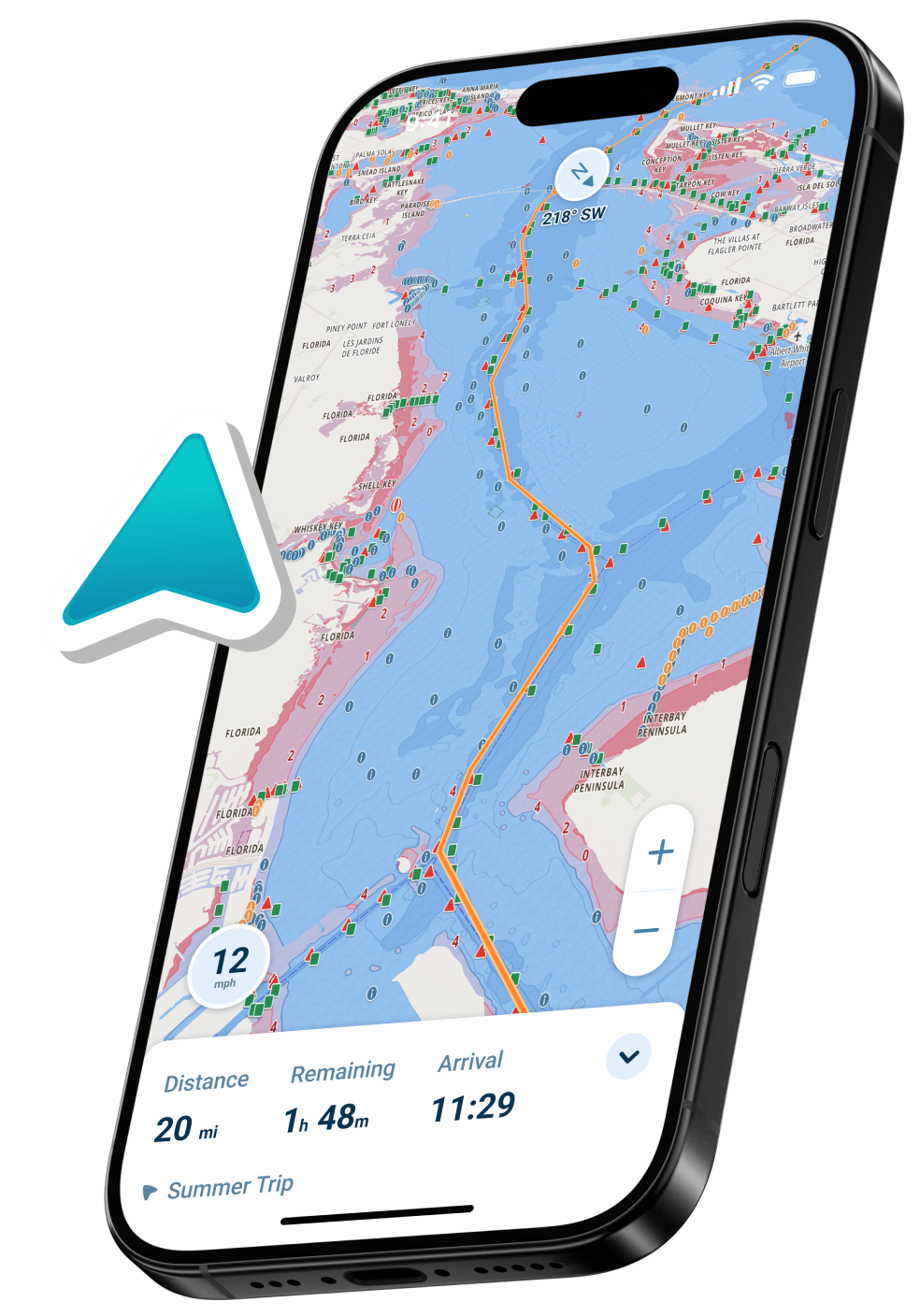
Modern navigation apps provide real-time depth awareness helping prevent groundings. Understanding your boat’s draft and current water depth allows intelligent navigation decisions preventing groundings before they happen.
Quality navigation reduces grounding risk dramatically through constant awareness of safe water conditions. The minimal investment in navigation tools provides enormous damage prevention value.
Understand Your Boat’s Draft
Know your specific boat’s draft under various loading conditions. Light boat draft differs from loaded boat draft. This knowledge informs safe water depth decisions.
Measure your boat’s actual draft from waterline to lowest point including any external equipment. Use this accurate measurement for all navigation planning.
Check Charts Carefully
Study charts of unfamiliar waters before entering them. Identify shallow areas, hazards, and safe passages. Understand chart symbols and depth markings.
Modern charts display depths clearly. Traditional markers and navigation aids guide safe passage if you understand them. Knowledge prevents groundings by clarifying safe routes beforehand.
Monitor Weather and Tides
Weather changes affect water depth through wind-driven water level changes. Storm surge creates depth variations. Tidal patterns dramatically affect navigable water depths especially in coastal areas.
Monitoring weather and tide conditions helps predict water level changes. Understanding these changes prevents navigation decisions based on incorrect assumptions about current conditions.
Know Your Local Waters
Experience in your regular boating area builds instinctive knowledge preventing groundings. Local knowledge reveals hazards, sandbar locations, and safe passages.
Spend time learning your home waters thoroughly. This investment builds the intuition that prevents groundings through familiarity and pattern recognition.
After You Refloat
Inspect for Damage
Once refloated, conduct thorough inspection. Check for hull cracks, sprung planks, or structural damage. Inspect through-hull fittings for damage. Check engine and transmission function.
Soft sand groundings often result in zero damage. Hard bottom impacts commonly cause hull damage requiring professional inspection and repair.
Have Professional Inspection
If significant grounding impact occurred, have marine surveyors inspect the boat before resuming normal operation. Hidden structural damage often exceeds visible damage.
Professional inspectors identify damage you might miss. This inspection protects you from larger problems developing from undetected grounding damage.
Document Everything
Photograph all visible damage. Document the grounding circumstances, location, time, and conditions. Record tidal and weather conditions.
This documentation proves valuable for insurance claims and future reference. Clear records support insurance recovery and help you prevent similar situations.
Report to Insurance
Notify your insurance company promptly. They guide recovery procedures and approve repairs. Delayed reporting sometimes reduces coverage.
Provide detailed documentation supporting your claim. Professional inspectors often cooperate with insurance companies reviewing damage assessments.
Emergency Resources
Coast Guard Emergency: VHF Channel 16 or call 911
Towing Services: Call professional marine towing companies
Marine Salvage: Professional salvage companies handle serious groundings
Insurance: Contact your marine insurance provider
Key Takeaways
- Remain calm and assess the situation immediately
- Stop all engine operation to prevent additional damage
- Contact authorities if necessary
- Wait for tide change if in tidal waters
- Use gentle recovery methods avoiding forced refloating
- Contact professionals if self-recovery fails
- Prevent future groundings through navigation awareness and boat knowledge
Advanced Recovery Techniques
Using Tidal Power Strategically
Tidal cycles provide free flotation assistance. Understanding tidal timing lets boaters use rising water to their advantage. Calculate high tide timing and plan refloating accordingly.
Patience combined with tidal cycles often refloats boats without engine stress or additional equipment. The most effective recovery often simply involves waiting for water level to rise.
Wave Action Exploitation
In some situations, wave motion helps lift boats off bottom. Gentle rocking from waves combined with strategic power assists encourages refloating.
Forcing the issue or using excessive power often causes additional damage. Gentle assistance harnessing natural water movement proves more effective.
Professional Recovery Equipment
Professional salvage operations use specialized equipment and techniques. Winches, floats, and hydraulic equipment handle difficult situations.
Attempting to force difficult recoveries with amateur techniques risks capsizing or additional structural damage. Professional equipment prevents additional damage.
Grounding Prevention Through Technology
Modern Navigation Apps
Navigation apps showing real-time depth awareness prevent most groundings through advance warning. Automatic visualization shows approaching shallow water.
Modern technology transforms grounding prevention from guesswork into data-informed navigation. Continuous depth monitoring eliminates assumption-based navigation.
Draft-Aware Navigation Systems
Understanding your boat’s specific draft combined with current water depth prevents groundings. Automatic systems eliminate mental calculations.
Technology automating depth calculations improves accuracy and reduces human error. Automatic safety systems provide peace of mind during shallow water navigation.
Bathymetric Chart Quality
High-quality charts showing detailed bottom topography help identify shallow areas before encountering them. Professional-grade charts provide accuracy essential for grounding prevention.
Modern charts display depth information with precision supporting confident navigation decisions.
Post-Grounding Boat Care
Inspecting Structural Damage
Groundings sometimes cause damage you can’t immediately see. Professional marine inspectors identify hidden damage before major problems develop.
Small cracks or stress fractures can propagate into serious structural failures if undetected. Professional inspection protects your boat.
Insurance Claim Documentation
Thorough documentation supports insurance claims. Photographs, written description, and professional assessments create strong claim support.
Organized documentation speeds claim processing and improves settlement outcomes.
Most groundings don’t constitute emergencies requiring immediate evacuation. Level-headed response, proper procedures, and patience resolve most situations safely. Professional assistance handles difficult cases where self-recovery isn’t feasible. Prevent groundings through knowledge and preparation. Understanding your boat, local waters, and modern navigation tools prevents most groundings before they happen. The time spent preparing pays enormous dividends in safety and peace of mind.