Crab Island ranks among Destin, Florida’s most popular boating destinations, a submerged sandbar in Choctawhatchee Bay attracting hundreds of boats on busy summer weekends. The shallow, clear waters create an open-water gathering spot perfect for swimming, floating, and socializing in a unique setting accessible only by watercraft.
Understanding tidal patterns, navigation considerations, safety rules, and practical logistics transforms Crab Island visits from potentially stressful experiences into enjoyable days on the water. This comprehensive guide covers everything boaters need to know for safe, successful trips to this iconic Emerald Coast destination.
What Crab Island Actually Is
Despite the name, Crab Island isn’t an island at all. The location consists of a submerged sandbar sitting in Choctawhatchee Bay approximately 1,000 feet north of the Destin Bridge connecting Destin to Okaloosa Island. Tidal flow from the Gulf of Mexico through Destin Pass brings emerald-green water washing over the shallow sandbar.
Water depths typically range from 1 to 6 feet depending on tide stage and exact position on the sandbar. At higher tides, the area provides comfortable wading and swimming depths. At lower tides, some sections become very shallow or briefly exposed, creating beach-like conditions in the middle of the bay.
The experience centers on anchoring boats near the sandbar, deploying floats and inflatables, and enjoying the open-water social atmosphere. Food and beverage vendors occasionally operate from boats in the area, though options remain limited. Most visitors bring their own supplies, coolers, and entertainment.
Crab Island draws diverse crowds, families with children, groups of friends, couples, and everyone between. The vibe skews casual and social. Weekend visits during summer months see the heaviest traffic with hundreds of boats anchored simultaneously. Weekday visits offer quieter experiences with easier navigation and more personal space.
Understanding Crab Island Tides and Water Levels
Tidal patterns dramatically affect Crab Island conditions, making tide awareness essential for safe, enjoyable visits.
High Tide Benefits: Higher water levels generally deliver clearer emerald-green water as Gulf flow increases through Destin Pass. Swimming becomes safer and more comfortable with adequate depth across broader areas. Anchoring proves easier without worrying about grounding as tides fall. Boat traffic moves more freely. Most experienced Crab Island visitors time trips around high tide periods.
Low Tide Challenges: Lower water exposes more sandbar, creating beach-like sections but also increasing grounding risks for boats anchored in marginal depths. Water clarity sometimes decreases. Wading becomes trickier in very shallow areas. Prop strikes on sand become more likely when maneuvering.
Optimal Timing: The window approximately two hours before and after high tide typically provides the best overall conditions, adequate depth, good water clarity, comfortable swimming, and safer anchoring. Checking Destin Pass tide predictions before departure helps plan arrival timing.
Tidal Current Considerations: Strong tidal currents develop near channel edges and around the bridge pilings, particularly during mid-tide stages when water moves fastest. These currents affect boat positioning, create challenges for swimmers, and require attention when anchoring. Slack tide periods (briefly around high and low tide) show minimal current.
Local tide charts and marine weather apps provide specific predictions. Understanding whether tides are rising or falling when you arrive helps anticipate changing conditions during your visit.
Navigating to Crab Island Safely
Reaching Crab Island requires boat navigation through Choctawhatchee Bay from various access points around Destin.
Common Launch Points:
- Destin Harbor public ramps (closest access, heavy traffic)
- Beach approach from Gulf-side launches (requires navigating under Destin Bridge)
- East Pass area boat ramps
- Private marinas offering launch services
Navigation Route: From Destin Harbor, boaters travel north through the bay watching for the prominent Destin Bridge. Crab Island sits just north of the bridge in the main bay. The route involves relatively straightforward navigation in protected waters, though awareness of marked channels, shallow areas outside the sandbar, and heavy boat traffic remains essential.
Channel Awareness: Marked navigation channels guide vessels through deeper water avoiding shallow flats. Staying within marked channels until approaching Crab Island prevents grounding in surrounding shallows. The channels accommodate significant boat traffic requiring defensive navigation and proper etiquette.
Depth Monitoring: Water depths vary significantly across Choctawhatchee Bay. Shallow areas exist throughout the bay beyond Crab Island itself. Watching depth sounders, observing other boats’ positions, and approaching cautiously help avoid running aground. Modern navigation tools showing real-time depths relative to your boat’s draft provide helpful awareness.
Traffic Management: Weekend and holiday traffic around Crab Island resembles rush hour on water. Hundreds of boats converge on the sandbar creating congestion requiring slow speeds, constant attention, and courteous operation. Arriving early (before noon) typically means easier maneuvering and better anchoring positions.
Bridge Clearance: Boats approaching from Gulf-side launches must navigate under the Destin Bridge. The fixed bridge provides 50 feet vertical clearance at mean high water, adequate for most recreational vessels but requiring awareness for boats with tall towers or antennas.
Anchoring and Positioning Your Boat
Successfully anchoring at Crab Island requires technique adapted to shallow, sandy bottom with tidal currents and dense boat traffic.
Anchor Selection: Fluke-style anchors or sandbar stakes work best for the sandy bottom. Traditional anchors may drag in strong currents. Some boaters prefer specialized sandbar anchors designed specifically for shallow, shifting sand. Adequate anchor line scope (at least 3:1 ratio even in shallow water) helps maintain holding.
Position Selection: Scout available space before committing to a spot. Consider surrounding boats, water depth, current direction, and proximity to swimming areas. Avoid anchoring directly in navigation channels or blocking other vessels’ access.
Multiple Anchor Points: In strong currents, deploying bow and stern anchors or using sandbar stakes prevents boats from swinging into neighbors. The investment in proper anchoring equipment prevents damage and conflict.
Depth Awareness: Anchor in depths providing adequate clearance at low tide even if arriving at high tide. Boats anchored in 3 feet of water at high tide may sit on sand two hours later when water falls to 1 foot. Plan for tidal changes.
Backup Plans: Monitor conditions throughout your visit. If wind increases, current strengthens, or your anchor drags, be prepared to reposition or depart. Checking anchor hold periodically prevents surprises.
Safety Rules and Regulations
Florida boating laws and local regulations apply fully at Crab Island despite its party atmosphere.
Life Jacket Requirements: Federal and Florida law requires children under 6 years to wear life jackets while vessels are underway. Life jackets must be available for all passengers. Enforcement occurs regularly around Crab Island during summer months.
Boating Under Influence: Operating vessels while intoxicated carries the same legal consequences as drunk driving. Designate a sober captain. Florida Marine Patrol and Coast Guard actively patrol the area with zero tolerance for impaired operation.
No-Wake Zones: Portions of Choctawhatchee Bay including areas near Crab Island are designated slow-speed or no-wake zones. Follow posted speeds carefully. Creating wakes endangering other vessels or swimmers results in citations.
Manatee Protection: Manatee zones exist in portions of Choctawhatchee Bay and connecting waters. Slow to idle speed in posted manatee areas to prevent strikes. The endangered animals frequent bay waters particularly during warmer months.
Reckless Operation: Careless navigation, excessive speed near swimmers, creating hazardous wakes, or endangering others through negligent boat handling all constitute violations actively enforced around Crab Island.
Environmental Protection: Trash disposal in the bay is prohibited. All refuse must return to shore for proper disposal. Using reef-safe sunscreen helps protect water quality and marine life.
Noise Ordinances: While music and social atmosphere are expected, excessive noise late in the day or sound systems creating disturbances for neighboring boats may result in warnings or citations.
Understanding and following these regulations prevents legal problems and contributes to safer conditions for all visitors.
Weather and Condition Monitoring
Crab Island’s location in an open bay means weather affects conditions significantly and can change rapidly.
Wind Awareness: Strong winds create choppy conditions even in the protected bay. Southwest winds blow directly across Destin Pass into the Crab Island area. Sustained winds above 15 knots make anchoring difficult and swimming uncomfortable. Check marine forecasts before departure.
Thunderstorms: Florida summer afternoon thunderstorms develop frequently and quickly. Lightning poses extreme danger to boats on open water. Monitor radar and weather forecasts throughout your visit. If storms approach, depart immediately, do not wait until conditions deteriorate.
Water Conditions: Wave height in the bay correlates directly with wind strength and duration. Calmer mornings often give way to choppier afternoons as sea breezes develop. Tidal current combined with wind creates confused water near pass areas.
Heat and Sun Exposure: Crab Island offers zero shade. Summer temperatures combined with sun reflection off water create intense heat exposure. Bring adequate sun protection, plenty of water, and monitor for heat exhaustion signs especially with children and elderly guests.
Current Updates: Conditions change hourly. What begins as calm morning water may become uncomfortable by afternoon. Maintaining awareness and adjusting plans accordingly prevents getting caught in dangerous situations.
What to Bring for a Successful Day
Proper preparation makes the difference between enjoyable outings and problematic experiences.
Essential Items:
- Adequate anchor and line for holding in current
- Life jackets for all passengers (required)
- Plenty of drinking water (more than you think necessary)
- Food and snacks in waterproof coolers
- Broad-spectrum reef-safe sunscreen
- First aid kit with basic supplies
- Trash bags for all refuse
- Waterproof phone case or dry bag
Recommended Additions:
- Floating mats, noodles, or inflatable loungers
- Portable shade structure (umbrella or bimini)
- Sandbar stakes or specialty anchors
- Bluetooth speaker for music
- Snorkeling gear for kids
- Extra towels and dry clothes
- Backup anchor and line
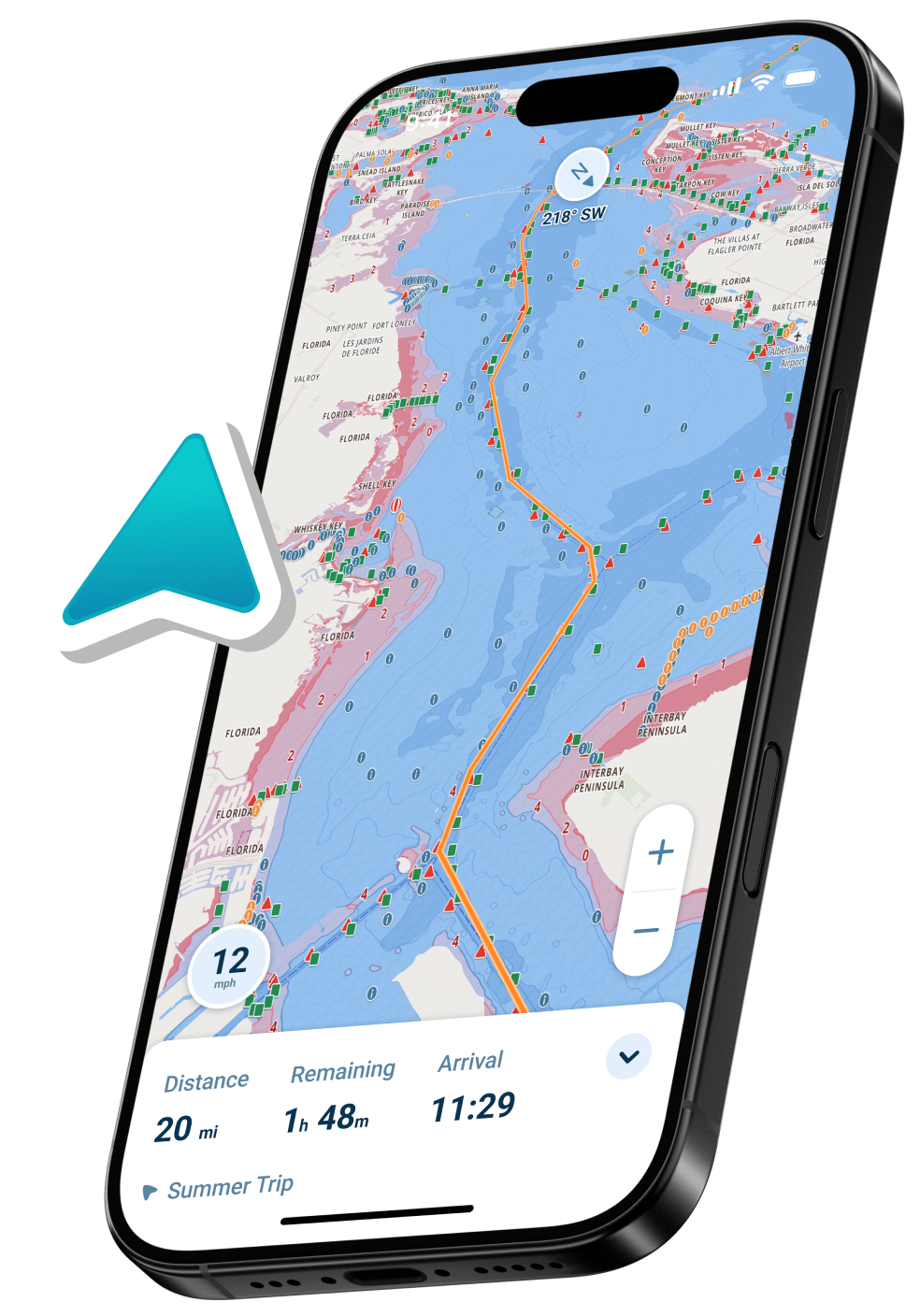
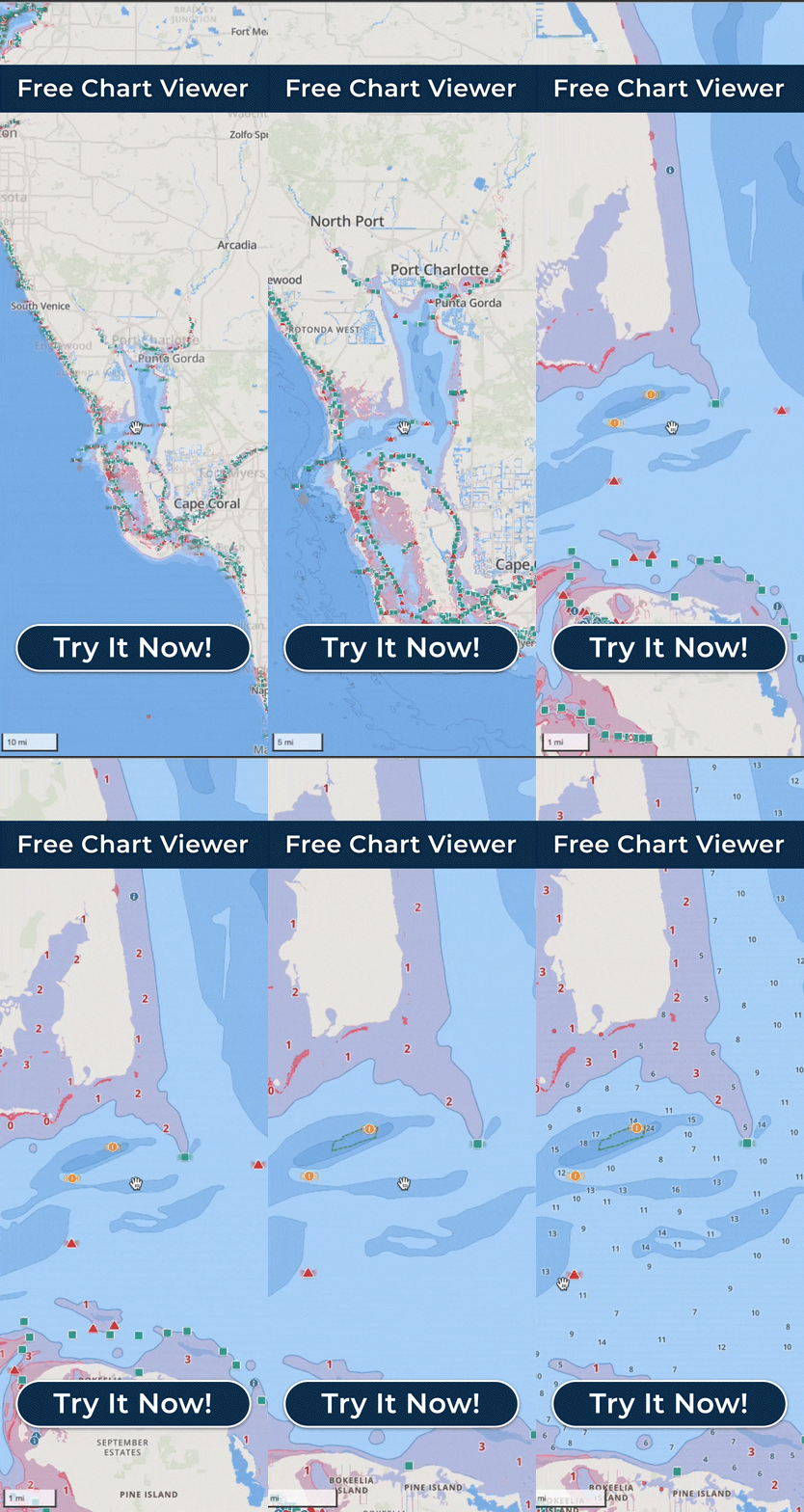
Navigation Tools: Reliable GPS, charts showing Choctawhatchee Bay depths, and awareness of your boat’s draft help navigate safely. Some boaters use marine navigation apps showing real-time positions and community-reported information about Crab Island conditions and hazards.
Communication: Ensure your phone stays charged with waterproof protection. Marine VHF radio provides emergency communication capability and access to weather updates.
Best Times to Visit
Strategic timing dramatically affects Crab Island experience quality.
Time of Day: Arriving between 10am-noon typically provides good conditions before peak crowds arrive. The sandbar becomes packed by early afternoon on weekends. Late afternoon sees gradual departures as people head back before sunset.
Day of Week: Weekdays offer substantially fewer crowds, easier anchoring, and more relaxed atmosphere compared to weekend and holiday chaos. First-time visitors particularly benefit from quieter weekday learning experiences.
Season: Summer months (June-August) see heaviest use with warmest water and best weather but maximum crowds. Spring and early fall provide pleasant conditions with fewer boats. Winter visits are possible but cold water limits swimming appeal.
Tide Timing: As discussed earlier, the two-hour window around high tide generally provides optimal conditions. Combining high tide with weekday timing maximizes positive factors.
Special Events: Major holidays (Memorial Day, July 4th, Labor Day) draw enormous crowds making navigation and anchoring extremely challenging. Consider avoiding these peak dates unless you enjoy very crowded environments.
Common Mistakes to Avoid
Learning from others’ errors prevents problems:
Inadequate Anchoring: Dragging anchors damage boats and create hazards. Use proper equipment and technique. Check hold regularly.
Poor Tide Planning: Arriving at low tide or anchoring in insufficient depth creates grounding issues. Check predictions before departure.
Forgetting Supplies: Running out of water, lacking sufficient sunscreen, or forgetting life jackets ruins outings. Make comprehensive lists.
Excessive Alcohol Consumption: Dehydration, impaired judgment, and legal consequences all result from drinking too much in intense sun and heat. Moderation prevents problems.
Approaching Too Fast: Slow speeds prevent wake damage and demonstrate courtesy. Heavy traffic areas demand cautious operation.
Ignoring Weather: Staying too long as storms approach creates dangerous situations. Monitor conditions and leave early if necessary.
Trash Disposal: Leaving refuse in the bay creates environmental damage and legal consequences. Pack out everything you brought.
Making the Most of Your Visit
Beyond avoiding problems, certain approaches maximize enjoyment:
Respect Others: Keep reasonable distances from neighboring boats. Control noise levels. Share space courteously.
Engage Socially: The open-water gathering atmosphere encourages friendly interaction. Many visitors enjoy meeting other boaters.
Explore Carefully: While Crab Island itself is main attraction, wandering to nearby areas reveals quieter swimming spots and less crowded sections.
Photography Opportunities: The unique setting provides excellent photos, particularly from elevated positions showing the sandbar and emerald water.
Create Traditions: Many families return annually making Crab Island visits cherished traditions. The memories justify the preparation effort.
Final Thoughts on Crab Island Boating
Crab Island offers a unique Florida boating experience unlike traditional beach or offshore destinations. The submerged sandbar creates an open-water gathering unlike anything else along the Emerald Coast.
Success requires understanding tidal patterns, navigating safely through busy waters, anchoring securely, following regulations, monitoring weather, bringing proper supplies, and timing visits strategically. The preparation isn’t complicated but skipping steps creates problems.
First-time visitors benefit from researching thoroughly, arriving on weekdays, watching experienced boaters’ techniques, and maintaining conservative margins on weather, supplies, and departure timing. Locals can provide valuable current information about conditions and recent changes.
The combination of emerald water, white sand, social atmosphere, and watercraft-only access creates memorable experiences for families, friends, and all who appreciate Florida’s unique coastal environments. Approach it prepared, stay safe, and enjoy one of Destin’s most iconic destinations.