Lake of the Ozarks is one of the Midwest’s premier boating destinations, a sprawling reservoir in central Missouri with a famously long and winding shoreline. It draws boaters for everything from waterskiing and cruising to fishing and simply relaxing in a quiet cove.
But its size, its heavy boat traffic, and its reservoir character mean a good day out rewards preparation. Understanding the lake, how to navigate it, and what to expect helps you enjoy everything it offers while staying safe. This guide walks through the essentials.
Getting to Know the Lake
Lake of the Ozarks was created by damming the Osage River, and the result is a large reservoir with an extraordinarily intricate shoreline. Countless coves, channels, and arms branch off in every direction, which gives the lake its distinctive shape and its enormous amount of shoreline relative to its size. Water depths vary, currents run in certain areas, and the lake’s complexity can genuinely disorient boaters who are not paying attention to where they are.
The lake’s scale and popularity make it a major recreational destination. Boaters come for a huge range of activities, from high-energy watersports on the open main channel to peaceful exploration of secluded arms.
The variety is part of the appeal, but it also means conditions and traffic differ dramatically from one part of the lake to another, so understanding the geography is the first step to boating it well.
Finding Your Way Around
The Mile Marker System
Lake of the Ozarks uses a mile marker system to help boaters identify locations along the main channel, and learning it is one of the most useful things you can do before heading out. The markers give you reference points for navigating, communicating your location, and finding destinations, which matters a great deal on a lake this large and this maze-like.
Getting comfortable with the mile marker system before you go, and keeping track of your position as you travel, keeps you oriented in water where it is genuinely easy to lose your bearings.
Following the Main Channel
The main channel is the primary route through the lake, roughly tracing the course of the original river, and it offers the main travel path from one area to another. Understanding the main channel and how the coves and arms connect to it is the key to navigating the lake’s winding layout. Charts and navigation tools help you make sense of the geography and plan your route, and paying attention to where you are relative to the channel is what keeps the lake’s complexity from becoming confusion.
Keeping an Eye on Depth
As a reservoir, Lake of the Ozarks has areas of varying depth, and water levels can change over time, which affects depths and can expose or cover hazards. Understanding the water depth and your boat’s draft helps you avoid shallow areas and submerged obstacles, particularly when you venture into unfamiliar coves away from the main channel.
Navigation tools that show depth information make this easier, and a little attention to depth prevents the groundings that catch out boaters who assume every cove is as deep as the main channel. For a deeper look at managing thin water, it is worth reading up on how to navigate shallow water.
Watching for Submerged Hazards
Reservoirs often contain submerged hazards such as old structures, stumps, and rock piles, especially in areas away from the main channel. Knowing these hazards exist, and navigating carefully in unfamiliar or shallow areas, prevents the kind of damage that an unexpected obstruction can cause.
Slow down and stay alert when you are exploring coves and backwaters, where local knowledge and good charts help you identify the spots that call for extra caution.
Dealing With the Traffic
Busy, Popular Water
Lake of the Ozarks attracts significant boat traffic, particularly on weekends and during peak season, and that traffic is one of the defining features of boating here.
Busy water demands heightened awareness of other vessels, so maintaining a vigilant lookout, following the navigation rules, keeping sensible speeds, and staying aware of what is happening around you all matter more here than on a quiet lake. The heavier the traffic, the more attention safe boating requires.
Managing Wake
Heavy traffic means significant wake, and managing your boat in wake, while being considerate of the wake you create, is part of boating responsibly on this lake. Wake affects other boaters, docks, and the shoreline, so understanding how your boat handles it and being ready for the movement passing boats cause improves both safety and comfort.
In the busiest areas, expect near-constant wake and be prepared for it rather than caught off guard.
Timing Around the Crowds
Weekends, holidays, and peak season bring the heaviest traffic by far. If you prefer quieter water, timing your outings for less busy periods gives you a completely different experience, with more room and less wake to contend with.
Understanding the lake’s traffic patterns lets you choose when to boat based on whether you want the lively energy of a busy weekend or the calm of a quiet weekday morning.
Staying Safe on the Water

Weather Awareness
Weather affects safety on the lake, and conditions can change, with storms developing at times. Monitoring the forecast before you head out and staying aware of changing conditions helps you avoid getting caught in something dangerous. Summer in particular can bring sudden storms, so being ready to head for safety when weather threatens is simply part of boating here. No outing is worth pushing into dangerous conditions.
Boating After Dark
Nighttime boating demands extra care, because reduced visibility makes navigation more challenging and raises the importance of proper lighting and cautious operation.
If you boat at night, make sure your navigation lights work and proceed carefully, since the lake’s complexity and continued traffic in some areas call for heightened awareness after dark. Familiarity with your route helps a great deal when visibility drops.
Following the Rules
Understanding and following the applicable boating regulations keeps you legal and contributes to everyone’s safety.
Carry the required safety equipment, understand the operating rules, and familiarize yourself with any local regulations before you go. Compliance is not just about avoiding trouble; the rules exist because they keep boaters safe on crowded water.
Preparing for Your Trip
Navigation Tools
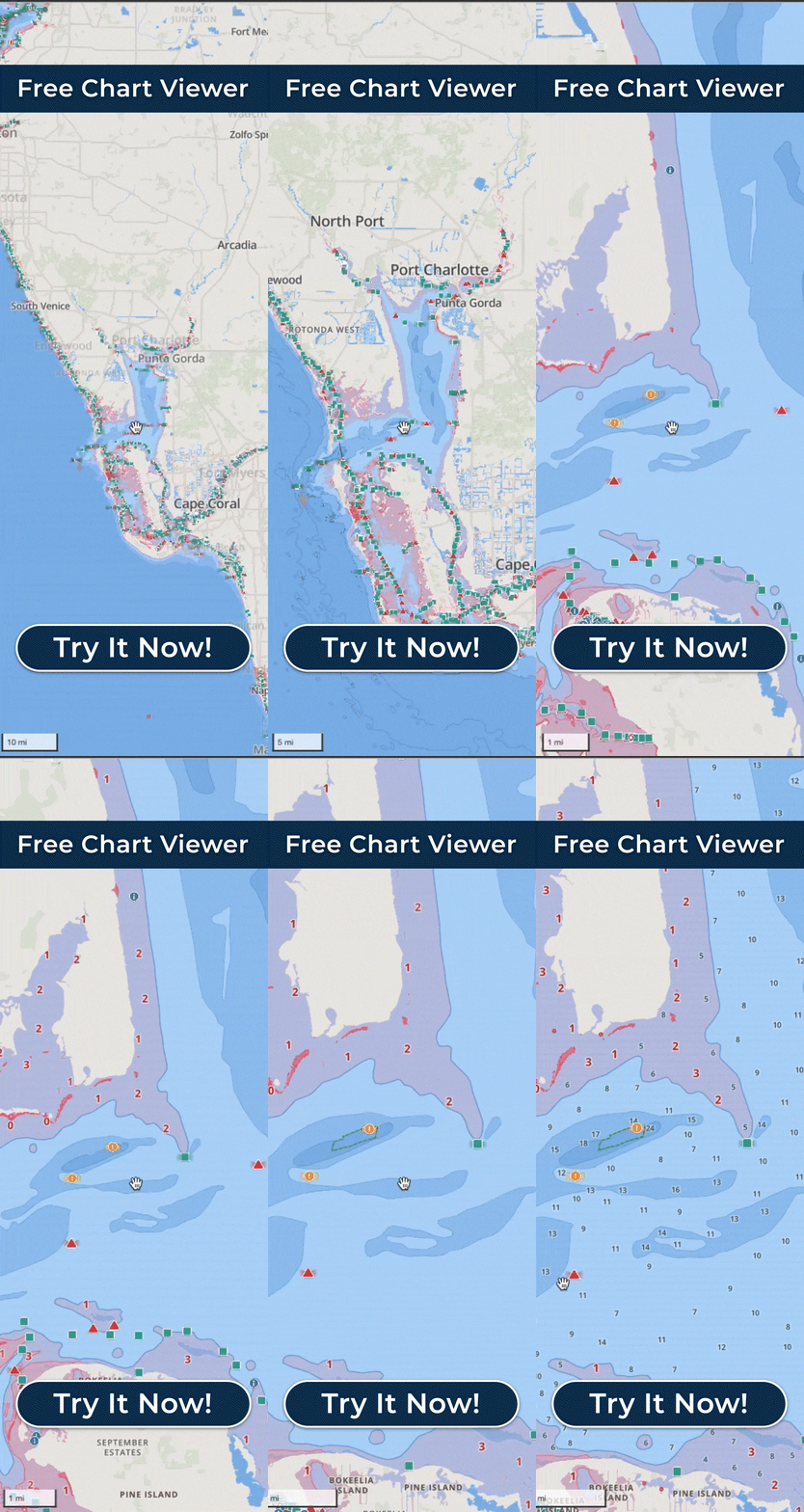
Reliable navigation gear helps you handle the lake’s extensive, complicated waters. Charts or a navigation app covering the lake, combined with GPS positioning, help you find your way and avoid hazards, and understanding your tools before you go prevents confusion on the water.
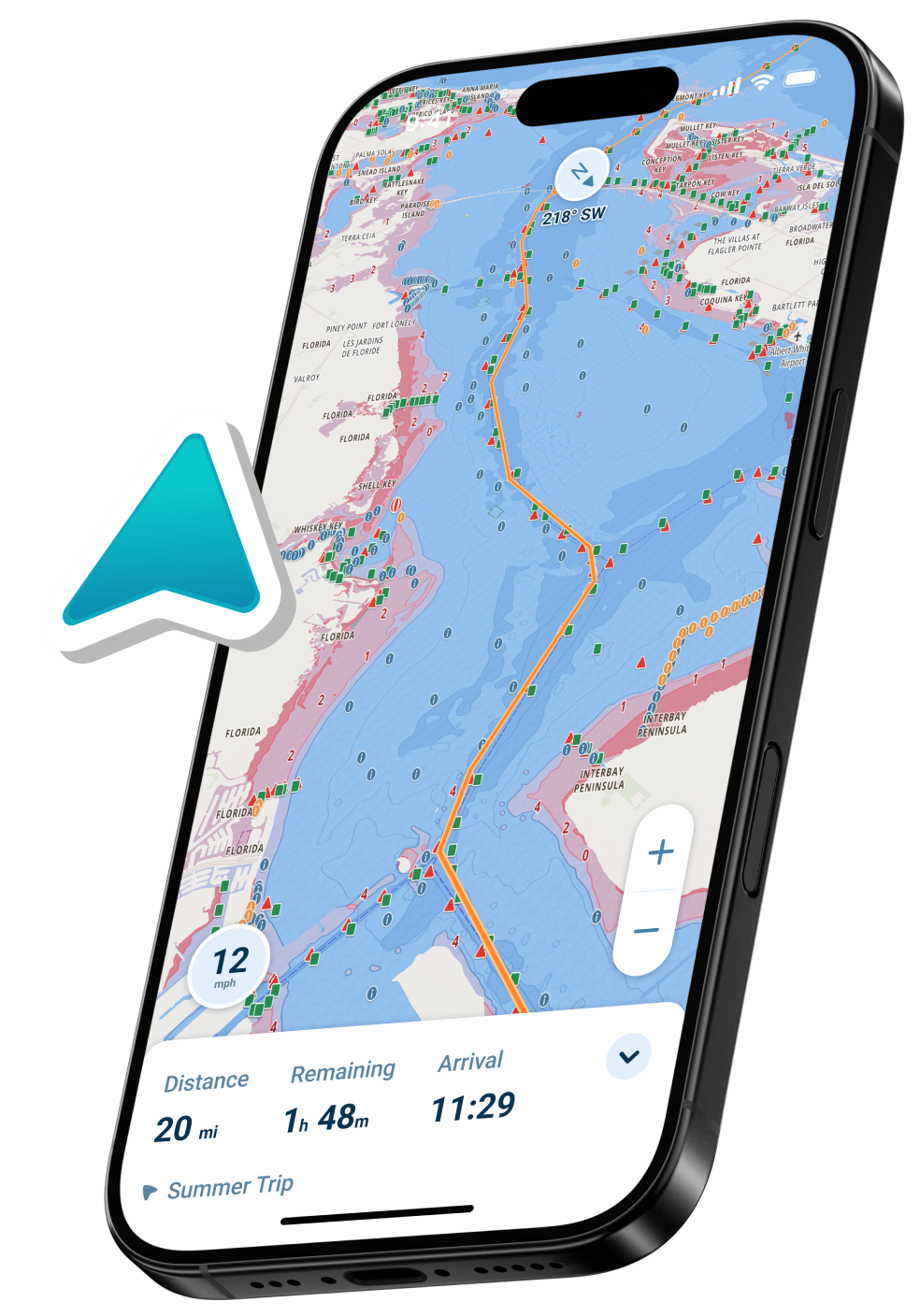
Modern navigation apps that show your position, the lake’s layout, and depth information help you navigate the maze of coves with confidence. Whatever you choose, make sure it covers the lake and that you know how to use it.
Safety Equipment
Carry all the required safety equipment plus sensible extras. Life jackets, communication devices, and emergency supplies give you a margin when something goes wrong, and proper equipment both meets legal requirements and genuinely improves your safety. It is worth checking your gear before each outing rather than assuming last season’s setup is still complete and functional.
Fuel Planning
Understand where fuel is available on the lake and plan accordingly, since the lake’s size means knowing your refueling options helps you plan outings within your range. Keeping a reserve gives you a margin for changing plans or conditions, which matters on a body of water large enough that running low in a distant arm is a possibility rather than a theoretical one.
Making the Most of Your Visit
Exploring the Coves
The lake’s countless coves are one of its great pleasures, offering places to explore, anchor, and enjoy quieter water away from the busy main channel. Venturing into them adds variety to a day on the lake, and careful navigation, watching for shallow water and submerged hazards, lets you explore safely. The coves are where the lake rewards the curious boater, so long as you approach them with appropriate caution.
Choosing Your Activities
Lake of the Ozarks supports a wide range of activities, from watersports to fishing to easygoing cruising. Planning your outings around what you most enjoy helps you get the most from the lake, and its varied water accommodates many different boating styles. Thinking about what you want from the day, and heading to the part of the lake that suits it, makes for better outings than wandering aimlessly.
Timing Your Outings
Consider timing your trips around your preferences for traffic and conditions. Peak times deliver a lively atmosphere, while quieter periods offer more relaxed boating, and understanding these patterns lets you plan outings that match what you are looking for. The same lake can feel like two completely different places depending on when you go.
Respecting Other Boaters and the Shoreline
A lake this busy works best when boaters look out for one another. Giving fishing boats room, slowing down near docks and swimmers, and keeping your wake in check near the shoreline all make the lake safer and more pleasant for everyone on it. The shoreline is heavily developed in places, with homes and docks close to the water, so a thoughtless wake can cause damage and frustration. Boating considerately is not just courtesy; on crowded water it is a genuine part of safety, and it helps keep the lake the kind of place people want to come back to.
Boating the Ozarks With Confidence
Lake of the Ozarks offers remarkable boating across its sprawling, varied water, but it rewards boaters who come prepared. Learn the mile marker system and the lake’s layout so you can navigate its maze of coves confidently.
Keep an eye on water depth and watch for submerged hazards, especially away from the main channel. Stay alert among the heavy traffic, particularly on busy weekends, and manage both your boat and your wake responsibly.
Monitor the weather and be ready to seek shelter when conditions threaten, carry proper safety equipment, and follow the regulations. Make sure your navigation tools cover the lake and that you know how to use them.
Do all of that, and you can enjoy everything this popular destination offers, whether you are after lively watersports on the main channel or quiet exploration of a secluded cove. Thoughtful preparation is what turns a day on this big, busy, beautiful lake into a genuinely great one.