Braided line has earned a devoted following among anglers, and for good reasons that become obvious the first time you feel a light bite transmit straight up the line into your hands. But braid is not automatically the right choice for every situation, and buying the wrong type, or using it where it does not belong, leads to frustration.
Rather than naming a single “best” product, this guide explains what makes braid distinctive, where it genuinely shines, where it falls short, and how to choose the braid that actually fits how you fish. Understanding the characteristics is what lets you pick well, whatever brand you end up with.
What Braided Line Actually Is
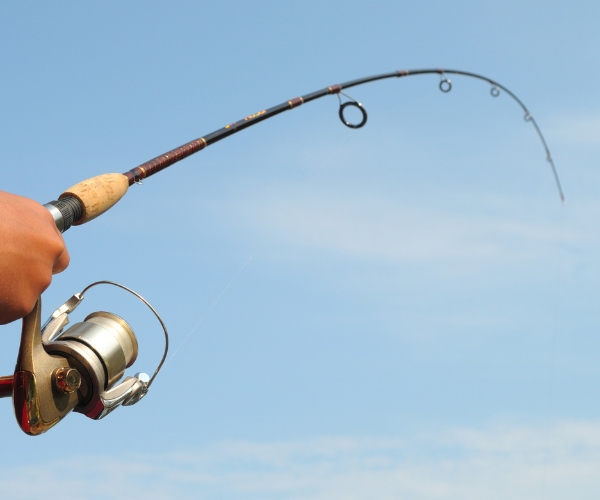
Braided fishing line is made from multiple strands of synthetic fiber woven together into a single line. This sets it apart from monofilament, which is a single extruded strand, and from fluorocarbon, which is also a single strand but made from a denser material. The woven construction of braid is the source of all its defining traits, both the good ones and the trade-offs.
Because braid combines several strong fibers, it achieves remarkable strength for its thickness, stretches very little, and transmits sensation extremely well. Those three qualities, strength-to-diameter, low stretch, and sensitivity, explain why braid excels at certain kinds of fishing and why it is less suited to others. Keep them in mind as a lens for everything that follows.
The Qualities That Define Braid
Strength in a Thin Diameter
Braid’s headline feature is how strong it is relative to how thin it is. A braided line rated at a given breaking strength is considerably thinner than monofilament of the same rating. That thinness is not just a curiosity; it brings practical advantages.
A thinner line means more of it fits on your reel, giving you extra capacity for long casts and for fighting fish that make powerful runs. The thin profile also slices through the water more easily and catches less current, which helps with a range of techniques where you want your line to behave rather than bow out in the flow.
Very Little Stretch
Monofilament stretches noticeably under load. Braid stretches very little by comparison, and this has two major consequences. First, it transmits even subtle bites directly to your hands, so when a fish so much as breathes on your bait, you feel it immediately.
Second, it improves your hook sets, because the energy of your hookset travels straight to the hook rather than being absorbed by the line stretching. This matters most when you are fishing at a distance or in deep water, where mono’s stretch would otherwise soak up much of your effort.
High Sensitivity
The minimal stretch makes braid extremely sensitive, and many anglers consider this its single best quality. You feel your lure working, you feel it ticking across structure on the bottom, and you feel the lightest taps that stretchier line would mask entirely.
For techniques that depend on feel, such as bottom fishing or working a lure through cover, this feedback is a genuine advantage that changes how much you understand about what is happening below the surface.
Abrasion Resistance and Longevity
Braid generally resists abrasion well, though this varies by product and construction. The strong fibers hold up to contact with structure better than some alternatives. That said, braid can be cut by genuinely sharp edges, so understanding your fishing environment matters.
On the longevity front, quality braid tends to hold its strength over time and resists the sunlight-and-water degradation that shortens the life of some monofilament, which partly offsets its higher upfront cost.
Where Braid Genuinely Shines
Braid’s combination of qualities makes it excel in several situations. Its casting distance is excellent, because the thin diameter and lack of memory, meaning it does not hold coils the way mono does, let it flow off the reel smoothly and reach distant fish. Its bite detection is superior, so in situations where fish bite lightly or where you are fishing deep, braid communicates strikes you would otherwise miss.
Its fighting power is strong, since the low stretch and high strength give you direct control to apply pressure and turn fish away from structure. And its line capacity is generous, which benefits situations involving long runs or deep water. If your fishing involves heavy cover, demands maximum sensitivity, requires long casts, or targets large and powerful fish, braid tends to be the right tool.
Where Braid Falls Short
Being honest about braid’s limitations is just as important as celebrating its strengths. Its visibility is the main one. Braid is generally more visible in the water than clear monofilament or fluorocarbon, and in clear water or when targeting line-shy fish, that visibility can cost you bites. Many anglers solve this by adding a fluorocarbon or monofilament leader, which we will come to shortly.
The lack of stretch, so useful for sensitivity and hook sets, can also work against you. It provides less shock absorption, which can mean pulled hooks or, with aggressive fish and a poorly set drag, break-offs. Braid’s slick fibers also require specific knots that hold well, since standard knots that work fine with mono may slip. And braid typically costs more than basic monofilament up front, though its longer useful life can narrow that gap over time.
How to Choose the Right Braid for You
Match the Strength to Your Target
Choose a breaking strength that suits your target species and conditions. Lighter braid suits smaller fish and finesse techniques, while heavier braid handles larger fish and fishing around heavy structure.
A useful quirk of braid is that its thin diameter lets you use a higher breaking strength than you would with mono while keeping the line physically thin, so you can gain strength without sacrificing casting performance. That flexibility is one of braid’s underrated advantages.
Think About Diameter
Diameter affects casting, capacity, and how the line behaves in the water. Thinner braid casts farther and offers more capacity but can be more prone to certain handling issues, while thicker braid offers more durability.
Rather than simply chasing the thinnest option, choose based on your actual fishing. A finesse angler and a heavy-cover angler will sensibly land in different places.
Choose a Color With Purpose
Braid comes in many colors, and the choice is not just cosmetic. High-visibility colors help you track your line and detect bites by watching for line movement, which is genuinely useful in some styles of fishing. Low-visibility colors reduce the chance of spooking fish.
A common and effective approach is to use high-visibility braid as your main line for the tracking benefit, then tie on a clear leader so the business end stays invisible to the fish. Consider your water clarity and your fishing style when deciding.
Fit the Line to the Technique
Different techniques reward different line characteristics. Bottom fishing, working lures through cover, and anything that demands sensitivity play to braid’s strengths. Thinking carefully about how you fish most often points you toward the right choice more reliably than any general recommendation.
The Leader Setup Most Braid Users Adopt
Because braid’s visibility can be a liability, many anglers pair a braided main line with a fluorocarbon or monofilament leader, and it is worth understanding why this combination is so popular. The setup captures braid’s benefits, its strength, sensitivity, and casting, while adding the leader’s advantages, mainly invisibility and a bit of shock-absorbing stretch, along with the abrasion resistance fluorocarbon offers near the hook.
The leader connects to the braid using an appropriate knot, and learning to tie a reliable braid-to-leader connection is a genuinely valuable skill that expands your versatility. This setup works especially well when you are targeting line-shy fish or fishing clear water where braid’s visibility would otherwise cost you. For a lot of anglers, braid plus a leader is simply the default rig.
Looking After Braided Line
Proper care extends braid’s useful life and keeps it performing. Rinse your reels after saltwater use to clear away salt that can affect both line and reel. Store reels out of direct sunlight when you can. Periodically inspect your line for wear, paying particular attention to the sections that take the most stress, and retie your connections regularly since the knot areas see the heaviest load. Replacing a worn section before it fails is far better than discovering the problem when a good fish is on.
Spooling It On Correctly
Braid’s slick surface can slip on the spool if it is not properly secured, which leads to the whole line spinning uselessly under load. Many anglers add a monofilament backing or use a strip of tape on the spool arbor to give the braid something to grip.
Apply steady, appropriate tension as you spool so the line does not dig into itself under pressure later. Correct spooling prevents a lot of frustrating tangles and performance problems on the water, and it is worth taking the few extra minutes to do right.
Settling on Your Choice
There is no single best braided line, because the best choice depends on your fishing style, your target species, and your conditions. Weigh the breaking strength, diameter, and color against how you actually fish, rather than reaching for whatever is most popular or most expensive.
Most anglers benefit from keeping braid on hand for the techniques where its strengths genuinely matter, often paired with a leader for versatility across different situations.
The surest way to find what works is to try braid in the situations where it should excel and feel the difference for yourself. Whether you fish heavy cover, chase big fish, or simply want better sensitivity and longer casts, the right braided line is an upgrade.
Choose thoughtfully based on your needs, rig it well with a suitable leader when conditions call for it, look after it properly, and quality braid will reward you across a great many days on the water.