Lowrance’s Eagle series targets budget-conscious anglers and recreational boaters wanting capable fish finder and chartplotter functionality without the thousand-dollar-plus investment premium units demand. The lineup spans entry-level 4-inch models suitable for kayaks through 9-inch displays with advanced features including live sonar, creating options across experience levels and boat sizes.
Understanding what Eagle series units deliver versus their limitations helps determine whether these budget-friendly fish finders meet your fishing and navigation needs or whether spending more on higher-end units provides better long-term value. This review breaks down current models, real-world performance, pricing considerations, and honest assessment of who benefits most from Eagle series investments.
Current Lowrance Eagle Models Overview
The Eagle series currently offers multiple models differentiated primarily by screen size, included transducers, and advanced feature availability.
Standard Eagle Models (Eagle 4, 5, 7, 9):
These core models provide traditional fish finder and chartplotter functionality with varying screen sizes. The Eagle 4 and 5 suit kayaks, jon boats, and small fishing boats where space limits larger displays. Eagle 7 and 9 models fit center consoles, bay boats, and recreational boats wanting larger, easier-to-read screens.
Transducer options include SplitShot HD (down imaging and CHIRP sonar) and TripleShot (adding side imaging to down imaging and CHIRP). The TripleShot transducer provides the most comprehensive sonar coverage showing fish and structure to both sides of the boat plus directly below.
Eagle Eye 9:
The Eagle Eye 9 adds forward-facing live sonar to the standard Eagle 9 platform. Live sonar displays real-time video-like imagery showing fish movement, structure, and bottom contours ahead of the boat. This technology previously cost thousands in premium units but Eagle Eye 9 brings it to the sub-$1,500 price range.
Forward-facing sonar helps anglers see fish reactions to lures in real-time, locate specific structure before reaching it, and understand fish positioning relative to cover. The feature particularly benefits bass fishing, crappie fishing, and any technique where watching fish behavior improves catch rates.
Screen Sizes and Mounting:
- Eagle 4: 4.3-inch display (compact, kayak-friendly)
- Eagle 5: 5-inch display (small boat balance of visibility and space)
- Eagle 7: 7-inch display (mid-size boats, good readability)
- Eagle 9: 9-inch display (larger boats, maximum visibility)
- Eagle Eye 9: 9-inch display with live sonar transducer
All models use tilt-and-swivel mounts allowing angle adjustment for optimal viewing from helm positions. Installation complexity remains minimal for boaters comfortable with basic wiring and through-hull transducer mounting.
Key Features and Performance
IPS Display Technology:
All Eagle models use IPS (In-Plane Switching) screens providing wide viewing angles and good visibility in direct sunlight. The displays won’t match premium units using bonded screens with extreme brightness, but they perform adequately for typical daytime fishing conditions.
Sunlight washout occurs in intense midday conditions on bright water. The screens remain readable but require shading or angle adjustment in the harshest light. In morning, evening, or overcast conditions, visibility proves perfectly adequate.
Button-based operation (no touchscreen) requires navigating menus using physical buttons rather than tapping the screen directly. Some anglers prefer buttons allowing operation with wet hands or gloves. Others find touchscreens more intuitive. Personal preference determines whether button operation constitutes advantage or limitation.
Auto-Tuning Sonar:
Eagle units include auto-tuning sonar that adjusts settings based on water depth, bottom hardness, and conditions. Beginners benefit from not needing to manually dial in sensitivity, range, or frequency settings. Experienced users can override auto-tuning making manual adjustments when specific situations demand it.
CHIRP sonar provides clearer target separation and better detail than older single-frequency sonar. Fish arches display more distinctly, thermoclines show clearer, and bottom composition becomes more apparent.
FishReveal Technology:
FishReveal combines CHIRP sonar with down imaging overlaying fish arches on structure images. This hybrid view shows both where fish are positioned and what structure they’re relating to simultaneously rather than switching between separate sonar and imaging screens.
The feature helps anglers understand whether fish are suspended over structure, tight to bottom, or relating to specific cover without mentally combining information from multiple screen views.
C-MAP Charting:
Included C-MAP charts cover US coastal and inland waters with basic navigation detail. The charts provide adequate information for getting around on familiar waters but lack the detail serious navigators want for exploring new areas or navigating complex shallow waters.
Charts display standard navigation aids, depth contours, and basic hazards. They won’t show the high-resolution bottom detail or satellite imagery overlay premium chartplotters provide. For fishing-focused use where navigation remains secondary, included charts suffice. Boaters wanting serious navigation capability should consider dedicated chartplotters or navigation apps providing more detailed chart data.
Genesis Live On-the-Go Mapping:
Genesis Live creates custom depth contour maps in real-time as you operate. The unit records depth readings building detailed maps of lakes, ponds, or coastal areas lacking good existing chart coverage. Over time, repeated trips build comprehensive custom maps showing structure and depth changes official charts miss.
The feature proves particularly valuable for small private lakes, farm ponds, or poorly charted waters where official maps provide minimal detail. Tournament anglers use Genesis Live creating competitive advantage through detailed maps of tournament waters.
Eagle Eye Live Sonar:
The Eagle Eye 9’s forward-facing live sonar operates in two modes: forward view showing what’s ahead of the boat, and down view providing real-time imaging of what’s directly below. The system updates multiple times per second creating video-like imagery rather than static sonar returns.
Range extends to approximately 200 feet forward though performance decreases in deeper water or heavy current. The technology works best in depths under 50 feet making it ideal for freshwater bass fishing, crappie fishing, and shallow coastal fishing rather than deep offshore applications.
Live sonar helps locate specific structure (brush piles, rockpiles, ledges) before reaching them allowing precise boat positioning. More importantly, it shows fish reactions to lures in real-time. Anglers see fish approach, follow, or ignore presentations adjusting techniques based on observed behavior.
The learning curve for interpreting live sonar imagery remains steeper than traditional sonar. Fish appear as moving blobs rather than distinct arches. Structure shows as changing shapes requiring practice identifying specific features. Spending time on the water learning interpretation proves essential for maximizing the technology’s value.
Pricing and Value Assessment
Current Pricing (Approximate):
- Eagle 4 SplitShot: $400-500
- Eagle 5 SplitShot: $500-600
- Eagle 7 TripleShot: $700-900
- Eagle 9 TripleShot: $1,000-1,200
- Eagle Eye 9: $1,000-1,300
Prices fluctuate with sales, bundles, and retailer promotions. Installation costs add $100-300 if you pay for professional mounting and wiring rather than self-installing.
Three-Year Ownership Cost:
Beyond initial purchase, consider long-term expenses. Lowrance units require chart updates (C-MAP cards or subscriptions) for current navigation data if you use navigation features regularly. Budget $50-100 annually for chart updates.
Transducer replacement (if damaged) costs $200-400 depending on model. Units typically come with manufacturer warranties covering defects but not damage from normal use or impact.
Over three years, an Eagle 9 TripleShot costs approximately $1,000 (initial) + $150-300 (chart updates) + potential transducer replacement if damaged. Total ownership runs $1,150-1,600 before any damage-related costs.
Value Comparison:
Premium fish finders from Garmin, Humminbird, or Lowrance’s HDS series cost $1,500-3,000+ for similar screen sizes. The Eagle series provides 60-70% of premium unit functionality at 40-50% of the cost.
You sacrifice premium features like touchscreens, networking capability, radar compatibility, advanced mapping options, and top-tier screen technology. For budget-conscious anglers or those new to electronics, the Eagle series delivers adequate performance justifying the cost savings.
Pros and Cons
Advantages:
Budget-Friendly Access to Live Sonar: Eagle Eye 9 brings forward-facing live sonar technology to the $1,000-1,300 range. Competing live sonar units from premium brands cost $2,000-3,000. For anglers wanting live sonar without premium unit investment, Eagle Eye 9 provides accessible entry.
Clear IPS Screens: The displays provide good visibility in most conditions with wide viewing angles. While not matching premium bonded screens, they perform adequately for typical recreational fishing use.
User-Friendly Operation: Auto-tuning sonar and straightforward menu structure help beginners get effective results without extensive manual configuration. Experienced users can override automation when desired but new users benefit from simplified operation.
Quick Installation: Standard transducer mounting and basic power wiring allow competent DIY installation in a few hours. No complex networking or extensive wiring harnesses required like some premium systems demand.
Genesis Live Mapping: Creating custom maps builds value over time particularly for poorly charted waters. The feature adds capability usually found only in premium units.
Limitations:
Button-Only Operation: No touchscreen means all interaction occurs through physical buttons. Some users find this less intuitive than touchscreen interfaces particularly when adjusting settings or moving waypoints.
Limited Deep Water Live Sonar: Eagle Eye live sonar performs best in depths under 50 feet. Deeper applications or offshore fishing exceed the system’s optimal operating range. Premium live sonar units handle deeper water more effectively.
Basic Charting: Included C-MAP charts provide minimal navigation detail compared to premium chartplotters or dedicated navigation apps. Serious navigation requires supplementing with better charts or alternative navigation tools.
No Networking: Eagle units operate standalone without networking to other displays, autopilots, or advanced marine systems. This limitation matters little for small boat anglers but restricts integration in larger installations.
Not Tournament-Grade: Serious tournament anglers often prefer premium units providing ultimate screen quality, fastest processing, and most advanced features. Eagle series serves recreational and amateur tournament anglers adequately but won’t satisfy professional-level demands.
Who Eagle Series Fish Finders Best Serve
Ideal For:
- Beginner anglers wanting capable electronics without overwhelming complexity or cost
- Kayak and small boat anglers needing compact displays (Eagle 4/5) fitting limited space
- Budget-conscious fishermen prioritizing functional performance over premium features
- Weekend recreational anglers fishing familiar waters without demanding cutting-edge technology
- Live sonar curious anglers wanting to test forward-facing technology (Eagle Eye 9) without premium unit investment
- DIY installers comfortable with basic wiring and transducer mounting
Consider Alternatives If:
- You demand maximum screen brightness and bonded screen technology for extreme sunlight conditions
- Touchscreen operation is non-negotiable for your preference
- You need deep water live sonar capability for offshore or deep lake fishing
- Advanced networking, radar integration, or multi-display systems matter for your boat
- You’re a serious tournament angler requiring absolute top-tier performance
- Detailed navigation capability exceeds fishing-focused sonar in your priorities
Real-World Use and Practical Considerations
Installation Complexity:
Most anglers with basic tool skills can self-install Eagle units. Through-hull transducer installation requires drilling (or using existing holes) and sealing properly. Power connections need clean wiring to the battery or fuse panel. Budget 2-4 hours for careful first-time installation.
Professional installation costs $100-300 depending on boat complexity and local labor rates. This option makes sense for those uncomfortable with drilling or electrical work.
Learning Curve:
Basic operation (powering on, viewing sonar, marking waypoints) takes minutes to learn. Understanding sonar imagery interpretation, adjusting settings for specific conditions, and maximizing Genesis Live mapping requires hours of on-water practice.
Eagle Eye live sonar demands additional learning interpreting real-time forward-facing imagery. Expect several trips dedicated to learning before fully utilizing the technology effectively.
Durability and Reliability:
Consumer reports and user reviews suggest Eagle series units hold up adequately for recreational use. They won’t match the absolute durability of premium commercial-grade units but perform reliably for typical weekend fishing applications.
Transducers remain the most vulnerable component. Impact from stumps, rocks, or debris damages transducers requiring replacement. Protective transducer shields or careful operation in shallow rocky areas prevents most damage.
Complementary Tools:
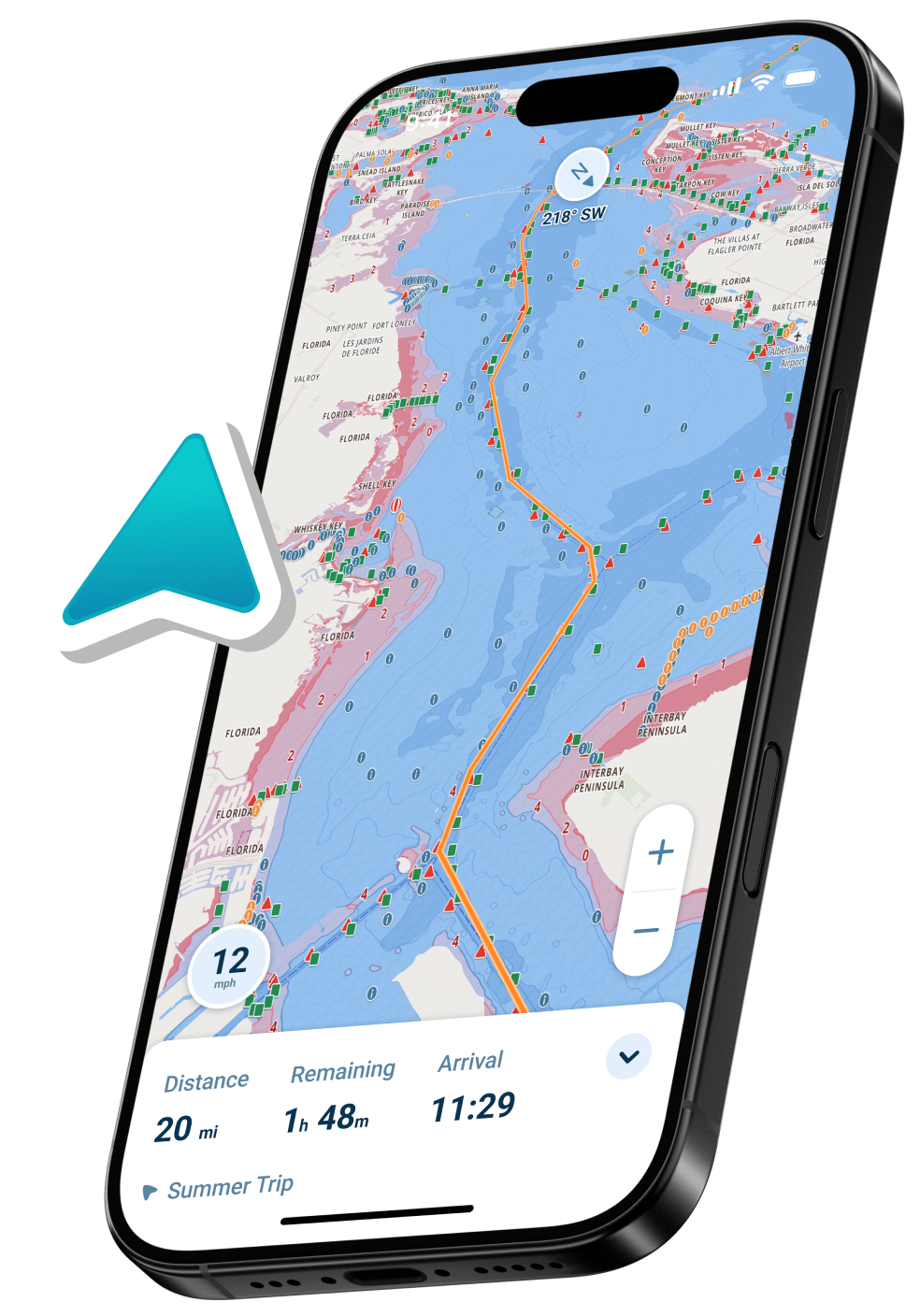
Many anglers combine Eagle fish finders with smartphone navigation apps providing better charting than built-in C-MAP. Apps like those designed for marine navigation offer detailed charts, real-time updates, and features the Eagle’s basic charting lacks. Using Eagle primarily for fish finding while relying on phone apps for navigation creates an effective combined system.
Image courtesy of https://www.kalkomey.com/
Frequently Asked Questions
Is the Lowrance Eagle Eye 9 worth the extra cost over standard Eagle 9?
For anglers regularly fishing bass, crappie, or other species where seeing fish behavior improves catch rates, Eagle Eye 9’s live sonar justifies the $200-300 premium over standard Eagle 9. Casual anglers or those fishing primarily with traditional techniques may not utilize live sonar enough to warrant the additional investment.
Can I use Lowrance Eagle units for marine navigation?
Yes, though with limitations. Included C-MAP charts provide basic coastal and inland navigation capability adequate for getting around familiar waters. For serious navigation in complex areas, shallow waters, or unfamiliar regions, the charting detail lacks what dedicated chartplotters or specialized navigation apps provide. Eagle units work best as fish finders with secondary navigation capability rather than primary navigation systems.
What’s the difference between SplitShot and TripleShot transducers?
SplitShot provides down imaging (structure directly below boat) and CHIRP sonar (traditional fish arch display). TripleShot adds side imaging showing structure and fish to both sides of the boat simultaneously. TripleShot costs more but provides more comprehensive sonar coverage helping locate fish and structure in wider swaths around the boat.
How does Eagle series compare to Garmin Striker?
Both serve similar markets as budget-friendly fish finders. Eagle units generally provide slightly better sonar imaging quality while Garmin Striker offers more intuitive menus for some users. Eagle Eye 9 brings live sonar to lower price points than comparable Garmin units. Choice often comes down to brand preference and specific feature priorities.
Can I network multiple Eagle units together?
No, Eagle series units operate standalone without networking capability. Each unit functions independently. This limitation prevents sharing waypoints, maps, or sonar between multiple displays. For most small boat applications, single-unit operation proves adequate.
Does Eagle series work on saltwater boats?
Yes, Eagle units work fine in saltwater environments. Use proper saltwater transducers and rinse connections with freshwater after saltwater use, preventing corrosion. The units handle inshore and near-coastal saltwater fishing applications adequately though deep offshore fishing exceeds their optimal operating parameters.
How long do Eagle fish finders typically last?
With proper care, Eagle units typically provide 5-8 years of reliable service for recreational use. Screen longevity, electronic component life, and physical durability all factor into lifespan. Units experiencing heavy commercial use or harsh conditions may see shorter service life while carefully maintained recreational units often exceed eight years before requiring replacement.
Conclusion
Lowrance Eagle series fish finders deliver capable performance at budget-friendly price points making advanced fishing electronics accessible to broader audiences. The standard Eagle models (4, 5, 7, 9) provide solid fish finding and basic navigation for recreational anglers and small boat operators. Eagle Eye 9 brings live sonar technology to the $1,000-1,300 range, previously available only in premium units costing twice as much.
These units serve beginners, budget-conscious anglers, and recreational fishermen very well. They won’t satisfy professional tournament anglers demanding ultimate performance or serious navigators needing detailed charting, but they adequately meet the needs of the vast majority of weekend anglers.
Test Eagle units in-store when possible, comparing screen visibility and button operation to your preferences. Many retailers offer return policies allowing on-water testing before final commitment. For anglers wanting capable fish finding technology without premium pricing, Eagle series units represent solid value delivering functional performance at accessible costs.